Medical Conditions & Treatments

Recovering from an ACL injury: Insights from a sports medicine physician

Emily Campbell, MD
September 15, 2025 | 5-minute read

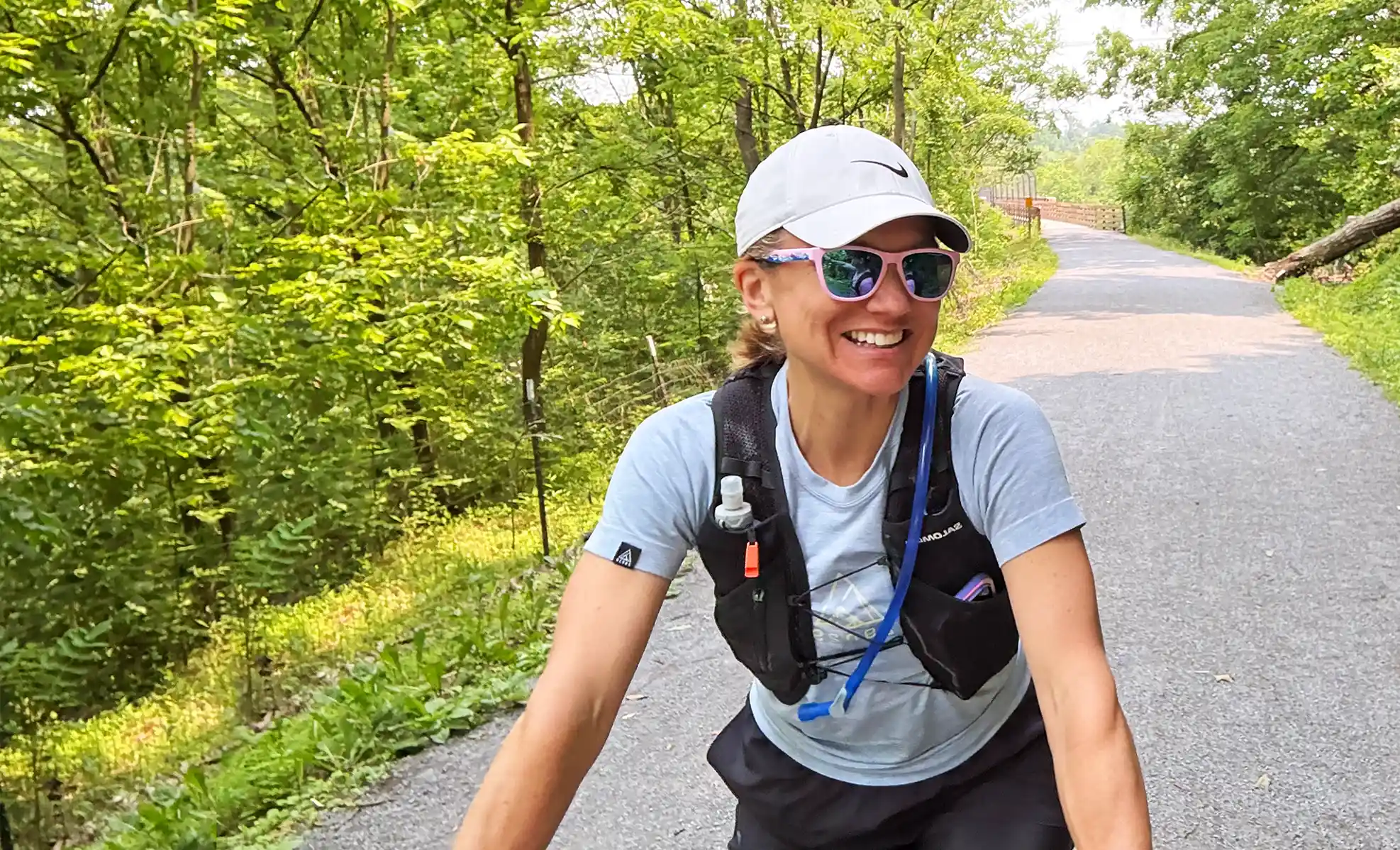
Dr. Campbell trail biking

Four months into a six-month training program for an endurance event my husband and I had been anticipating for over a year, I injured my knee. The question I’ve asked countless patients, “Did you feel a pop?”, was now being asked of me. My answer: “Yes.”

When the physician becomes the patient
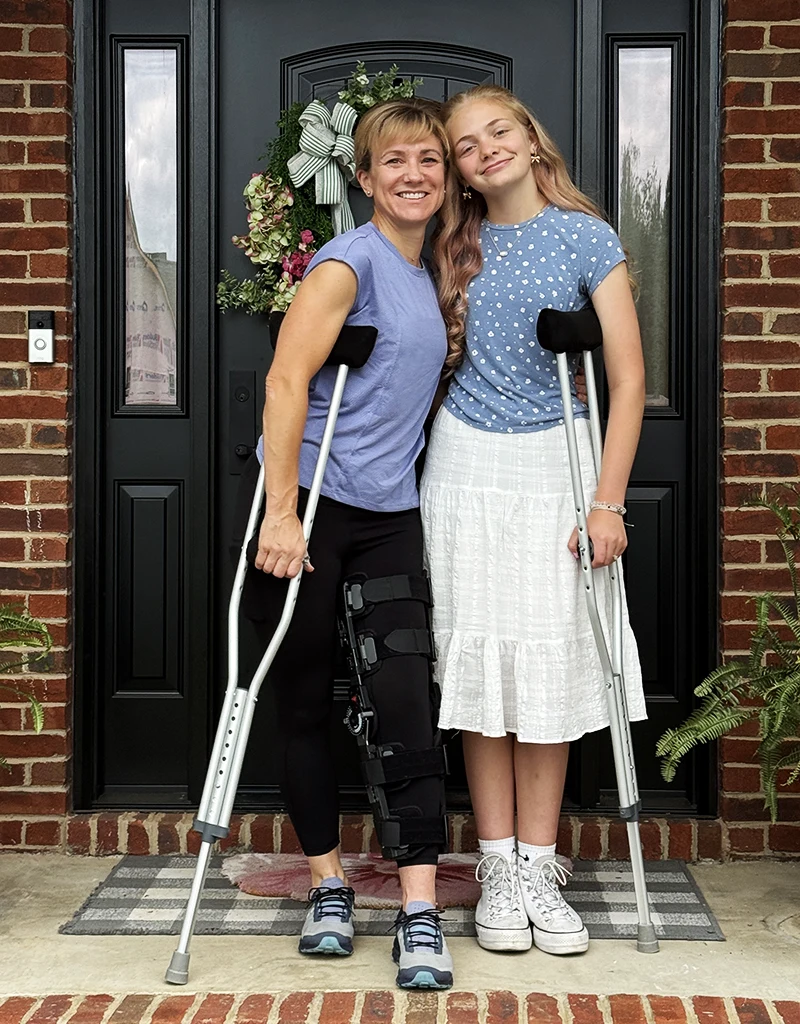
Dr. Campbell with leg brace and crutches

As a former college athlete and a committed active adult, I’ve experienced my share of aches and pains. But there’s a difference between being “hurt” and being “injured.” This was my first injury with a recovery timeline longer than six weeks, and it has taught me lessons that will not only make me a better athlete but a better doctor, as well.

Here are some reflections from my journey:

The grief cycle is real

Grief isn’t limited to the loss of a person; it extends to goals, identity, and physical ability. For me, it was losing a desired goal, a sense of self, and my usual mobility.

Grief is unique to each person and cannot be ignored. It shows up as shock, denial, guilt, anger, loneliness, or even depression. Facing these emotions, uncomfortable as they are, is essential to moving toward acceptance and hope.

Time is the ultimate healer

There’s little that can speed up the recovery process, but plenty that can slow it down. Medical advances continue to evolve, but nature takes its time. Sleep, nutrition, and lifestyle choices all influence recovery, neglecting them can delay progress.

Disciplined rehabilitation is key

Recovery is about doing the silent, consistent work, especially when results aren’t immediately visible. Immediate gratification has no place here. Commitment to the daily routine is both a test of will and the greatest benefit to the recovery process.

Journaling helps process the experience

Writing in an injury-specific journal validated my experience and helped me process the emotional side of recovery, which is as important as the physical. Progress often became clear only when I looked back to see how far I’d come.

Nutrition matters as much as physical rehab

Muscle loss is inevitable, especially for middle-aged adults. An injured body can only rebuild with proper fuel. High protein, anti-inflammatory foods, and smart nutrition choices are essential.

Surround yourself with the right support.

Not all advice is helpful. People often shared their own experiences or pushed for a “speedy” recovery, which wasn’t relevant to me. I learned to lean on those who genuinely wanted the best for me and trusted my physician and physical therapist to guide progress.

Mobility and balance training prevent secondary injuries

An injured body compensates in unexpected ways, which can create new pain. Mobility training, though unglamorous, maintained balance and prevented falls or twists as I navigated crutches and a brace.

Strength is non-negotiable

Being on crutches for six weeks forced me to rely entirely on my right leg and upper body. Strength training allowed me to move safely, shower, and transition between positions. Training for strength isn’t just about fitness; it’s about independence and reducing future injury risk.

Train for life

As an athlete, I trained for goals I could define. As an adult, I train for life, not knowing what challenges lie ahead. Strength and mobility gained months prior became invaluable for navigating an unexpected reality.

The recovery process has required both discipline and humility, the discipline to let time do its work and the humility to submit to nature’s pace. Beating the clock is an ego-driven mindset that will always lose to the one true ruler: time.

Emily Campbell, MD is a primary care and sports medicine physician at HMG Primary Care at Sapling Grove

Health Matters Blog logo

Subscribe

Sign up for health tips, wellness advice and more, straight from our providers.

Subscribing indicates your consent to our terms of use and our privacy policy. You can unsubscribe anytime.

More from our blog

A breast surgeon's guide to navigating breast cancer

A breast surgeon's guide to navigating breast cancer

Breast cancer treatment options and common misconceptions

Is your family ready for flu season?

Is your family ready for flu season?

Prepare your family for flu season by avoiding people who are sick, spotting signs of a flu, getting your flu shot, and knowing when to call your HMG provider.

How fear of falling can increase fall risk in older adults

How fear of falling can increase fall risk in older adults

Understanding the connection between fear, inactivity, and increased fall risk in older adults.