
Prevention

When it comes to breast cancer, don’t let fear keep you from getting tested

Cheryl Stanski, MD, FACS
October 3, 2021 | 6-minute read

woman looking out a window while reflecting on her health

In this article

In late 2010, Mary E. Beuris discovered a change in her breasts weeks after a normal mammogram. It happened that quickly: One month, she felt fine. The next, she discovered a secretion coming from one of her breasts as she slept. She brought it to the attention of her family practitioner, who referred her to me. Soon after, an imaging study detected a tiny tumor in one of Mary’s milk glands.

Experiences like Mary’s are not uncommon. Many women who are diagnosed with breast cancer first notice a change in their breasts themselves, which is why it is so important to be aware of the changes taking place in your body. The sooner you notice a change, the more quickly you can share the information with your physician. In Mary’s case, her decision to call her doctor right away helped her receive prompt care.
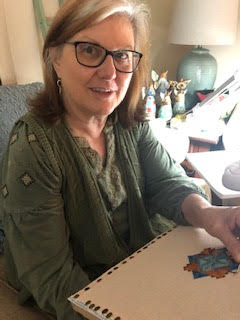
Cancer survivor Mary Beuris

Cancer survivor, Mary E. Beuris

But not all women who discover a lump share their finding with their doctor. Why? Because often, these women fear it is too late to treat the disease if they spot a symptom like this on their own. As a result, their natural inclination may be to ignore it.

If I could share one thing with my patients who are fearful of a breast cancer diagnosis, it would be this: “It’s never too late to seek care.”

Your odds are better than you think

The reasons that women put off screenings or avoid timely follow-up after detecting a lump in their breast are complex. They range from cultural beliefs to lack of familiarity with mammography screening to worries about cost or fear of bad news resulting from a screening.

What I tell my patients is that early detection matters. Screening can help identify breast cancer at an earlier stage, when treatment options may be less invasive and outcomes are often more favorable. That’s why staying current with recommended screenings is one of the most important steps you can take for your breast health.

Women also should know that advances in breast cancer detection and treatment continue to improve care. Enhanced imaging technologies, more personalized treatment options, and ongoing research are helping providers detect cancers earlier and tailor care to each patient’s needs.

I joined Holston Medical Group in Kingsport in 2001, and at that time, I was the only female surgeon in town. That gave me a wonderful opportunity to focus on women’s health. For much of my career, 90% of my work has centered on treatment of breast cancer and breast-related issues. I find it extremely rewarding to support women during what can be one of the most stressful times in their lives and let them know: “I am here for you. We will navigate this journey together.”

For example, after Mary was diagnosed with breast cancer, she knew almost immediately the next steps she would take. Mary received a call from myself, telling her she had breast cancer, while at work at Abraham Lincoln Elementary School in Kingsport, where she was a teaching assistant. She cried with a friend at work. Then, as she drove home, she made up her mind about the treatment she wanted. “When I got home, I told my husband exactly what I was going to do, which was to get a double mastectomy,” Mary says. “I’m really glad I did, because it turned out there was some cancer in another area of breast tissue that hadn’t been detected.” Through it all, Mary and I worked together to review all the options and the latest research so she felt empowered to make an informed choice. I feel this is critical for my patients and it gives them a sense of control and power over a situation that can often leave them feeling powerless.

When asked about her experience, Mary says “Dr. Stanski really treats the whole patient. She makes sure you have the information you need, that you understand the information, that you’re aware of the possibilities and that you feel good about your decision. I couldn’t have asked for a better doctor to guide me through this process.”

Mammograms: What to know before you go

Advances in breast cancer diagnosis and treatment have improved the ability to detect and treat breast cancer earlier than ever before. Mammograms remain the gold standard for breast cancer screening and can help identify abnormalities before they can be felt by hand.

Wondering when you should be screened for breast cancer? The American Cancer Society suggests that women ages 45 to 54 undergo a mammogram each year. Women ages 40 to 44 may have a mammogram if they wish; those ages 55 and older may consider having a mammogram every two years or each year, depending on their preference. Women also should perform breast self-exams once a month.

Some women are hesitant to get a mammogram because the procedure is uncomfortable. But mammograms are quick—lasting 15 minutes or less—and those minutes could save your life. For example, one of my patients received a mammogram when she turned 40—and it spotted a tiny tumor at a very early stage of breast cancer. It was so small that the tumor was almost completely removed with a biopsy before we performed surgery to ensure there were no traces of cancer left. Now, she’s done with treatment. She didn’t have to go through chemotherapy because the mammogram spotted the cancer at such an early stage. It’s an example of how a regular mammogram not only can save your life, but also minimize breast cancer treatment.

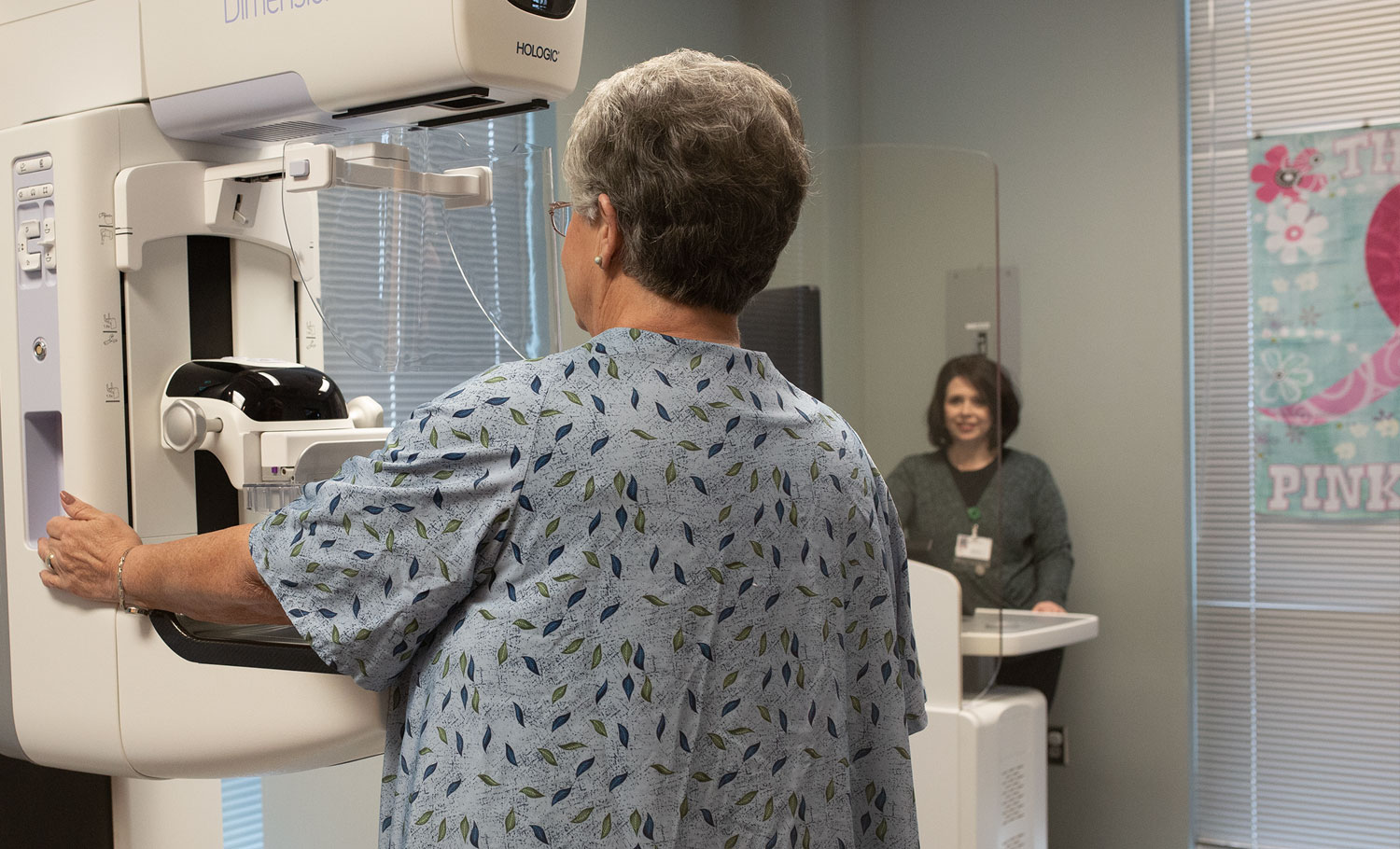
senior woman during a mammogram with technician

Mammograms are quick, lasting 15 minutes or less.

If you’re concerned about the level of discomfort you might experience during a mammogram, try these tricks:

  • Take an aspirin before your appointment.
  • Tell the technologist that your breasts are sensitive so the technologist can take extra care during the exam to protect your comfort.
  • If you are still menstruating, try not to schedule an appointment the week before your period.

One question that I am often asked by patients at HMG is, “Should I get a traditional mammogram or a 3-D mammogram?” Women who have a family history of breast cancer or who have dense breast tissue should consider 3-D mammography ultrasound, which provides amazing clarity in imaging, detecting tumors that might be obscured by dense breast tissue. However, all women could benefit from 3-D mammography. If you can afford to pay a little more out of pocket for 3-D mammography, I recommend doing so.

The right relationship can save your life

At HMG, we strongly believe in the power of a positive physician-patient relationship in supporting good health. I’m proud of the relationships I’ve built with women in this community over the past two decades, and I’m excited about the advancements we’ve seen locally in breast cancer diagnosis and treatment.

If you’re concerned about your risk for breast cancer, or if you have questions regarding mammography, help is just a phone call away. Contact me today at our Kingsport office at 423-392-6265.

Where can I go for more help?

We recommend talking to a neutral third party or someone whose job it is to help you understand and weigh your options.

Our community partner, MedicareCompareUSA, is a licensed insurance agency that helps patients answer important questions and compare choices. HMG patients can call 855-235-7879 from 9am – 8pm Monday–Friday for any Medicare-related questions.

The federal government also keeps a hotline open at 1-800-MEDICARE or online at medicare.gov.

We know there is a lot of misleading information out there. So, make sure you talk to people who have your best interests at heart.

Cheryl Stanski, MD, FACS, has been with HMG since 2001. She is board certified in surgery and practices at HMG General Surgery at Medical Plaza in Kingsport. She has served as HMG’s Vice President since 2021.

Health Matters Blog logo

Subscribe

Sign up for health tips, wellness advice and more, straight from our providers.

Subscribing indicates your consent to our terms of use and our privacy policy. You can unsubscribe anytime.

More on prevention

Is your family ready for flu season?

Is your family ready for flu season?

Prepare your family for flu season by avoiding people who are sick, spotting signs of a flu, getting your flu shot, and knowing when to call your HMG provider.

Colonoscopy prep and what to expect

Colonoscopy prep and what to expect

It is not the old two-gallon jug anymore

Cervical health: Making yourself a priority

Cervical health: Making yourself a priority

Learn why cervical cancer screening matters, even when you feel fine. Discover prevention, risk factors, and how early detection can save lives.