
Health & Wellness

Orthopedic walk-in clinic or emergency room?

Jason Park, MD
August 17, 2020 | 5-minute read

Dr. Park looking at an xray with a patient

In this article

Whether you enjoy hiking, biking, weightlifting, team sports, or exercising with family and friends, staying active is an important part of a healthy lifestyle. Physical activity offers many benefits, but every sport and fitness routine carries some risk of injury.

From sprains and strains to fractures and overuse injuries, accidents can happen during exercise, sports, or everyday activities. When they do, many people wonder where they should go for treatment and what type of care is most appropriate.

Typically, orthopedic injuries are best suited for treatment in an orthopedic walk-in clinic or a hospital emergency department (ED). Determining the best facility for care, however, can give consumers pause. Here are four things to consider:

1: Choose a setting that reduces your exposure to infection

Choosing the right setting for care is an important part of recovering from an orthopedic injury. An orthopedic walk-in clinic is often an ideal choice for fractures, sprains, strains, and knee or hand injuries because patients can receive timely evaluation and treatment from providers who specialize in musculoskeletal care.

It is designed for immediate and specialized orthopedic care, with practitioners who are dedicated to musculoskeletal care and no need for an appointment. An ED, on the other hand, is the right option for life-threatening conditions, such as stroke or heart attack. Individuals who are experiencing symptoms of these conditions should immediately be evaluated in an ED.
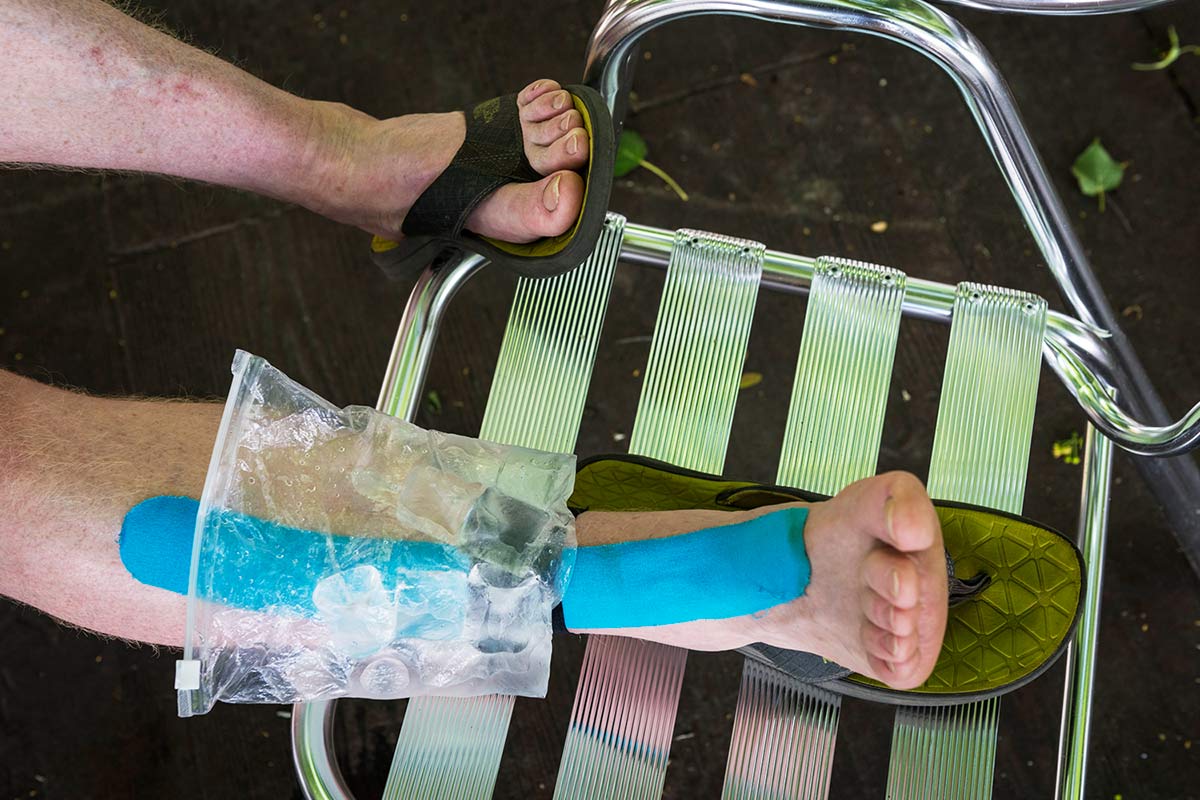

2: If a walk-in clinic is closed, you can treat an injury with RICE: rest, icing, compression and elevation.

Injuries such as fractures, sprains, strains and falls often can wait to be treated until an orthopedic walk-in clinic is open by taking the right precautions: resting the injury; icing the injury to reduce swelling; compressing the injured area; and elevating the area prior to seeing a physician. While many people think of a fracture as an emergency, as long as the individual is seen by a physician within eight hours, waiting until an orthopedic walk-in clinic opens is safe. The exception is when a bone is sticking out of the skin. This is an emergency situation that requires immediate treatment in an ED and, likely, surgery.

Elevated injured foot with ice

While waiting for the clinic to open, you can elevate and ice your injury to reduce swelling.

3. Understand the difference in cost between an orthopedic walk-in clinic and an ED

Not only is the cost of physician evaluation and treatment lower in an orthopedic walk-in clinic, but so are services such as:

  • Diagnostic imaging—from MRIs to X-rays and CT scans—available within the clinic
  • Onsite casting, splinting, injections and ultrasound treatment

Individuals are treated by specialists who can assess the cause of orthopedic pain quickly and customize a treatment plan that helps individuals get back in the game. At Holston Medical Group, patients of our orthopedic walk-in clinics in Kingsport and Bristol also gain access to the region’s only physician-owned outpatient surgery center, which provides lower-cost, same-day surgical care to meet patients’ immediate orthopedic needs.

4. Will you need medical equipment for recovery?

Many orthopedic conditions require equipment such as boots, braces, splints and crutches to aid in recovery. Because orthopedic walk-in clinics perform casting, bracing and splinting onsite, professionals in these clinics are ideally suited to determine the types of equipment needed and can provide the equipment immediately after diagnosis.

Access to outpatient orthopedic care, close to home

Scenarios like the ones described above are common among athletes and parents of athletes—but they aren’t limited to those who have a passion for fitness. As the parent of three children who are actively involved in sports, as a former competitive bodybuilder, and as someone whose family owns a fitness facility, I see a range of symptoms and injuries. Some simply require observation; others call for prompt treatment.

At HMG, our orthopedic walk-in clinics offer excellent treatment options for acute injuries and chronic pain. With access to a full range of diagnostic equipment, HMG’s orthopedic specialists provide immediate treatment for sprains, strains, breaks, sports medicine injuries and injuries resulting from overuse. Our team of therapists, surgeons and other providers offer a full range of follow-up services that orthopedic conditions often require.

If you need help determining the right option for care, my team and I are always available to discuss your needs.

Health Matters Blog logo

Subscribe

Sign up for health tips, wellness advice and more, straight from our providers.

Subscribing indicates your consent to our terms of use and our privacy policy. You can unsubscribe anytime.

More health & wellness

Don’t wait for the breakdown: A man’s ultimate guide to health maintenance

Why men shouldn’t skip preventive care

Stay ahead of health issues with Dr. Kegley’s guide to screenings, preventive care, and healthy habits for men 40 and up.

Perimenopause and menopause: What women need to know

Perimenopause and menopause symptoms and treatment

Learn the common symptoms of perimenopause and menopause, how long they may last, and evidence-based treatment options to help women manage this natural life transition.

Stress is part of life but you do not have to carry it alone

You don’t have to carry stress alone

Stress is something we all experience. Learn how it affects your body, common warning signs, and simple ways to reset and feel better.