Medical Conditions & Treatments

Know the signs and symptoms of a heart attack or stroke

Parvati Ananthula, MD
February 2, 2026 | 4-minute read

man gripping his heart

Heart disease can have a serious impact on your health, but there are ways to reduce your risk. By making healthy choices and working with your provider, you can take important steps toward protecting your heart.

Even small changes can add up to big benefits for your overall health.

Understanding heart disease

Heart disease is really more than one disease. People mostly think of heart attacks, which happen when something called “plaque” builds up and slows down how quickly your blood flows. But heart disease can also be a problem with how fast your heart beats. You might get a fluttery feeling in your chest that your provider calls “arrhythmia.”

Heart failure is another heart disease that makes it very hard to breathe. You may also notice swelling in your feet.

People are most likely to get heart disease if they have high blood pressure, high cholesterol, or smoke. People with diabetes, who are overweight, who don’t lead an active lifestyle or who drink a lot of alcohol are also at a higher risk for heart disease. These same risk factors also raise your chance of having a stroke. Some people call a stroke a “brain attack” because it’s when blood can’t get to part of the brain.
Recognize the symptoms of a heart attack or stroke

Unfortunately, the symptoms of a heart attack or stroke are different for everyone. They are often not the same for women and men.

During a heart attack, some people say they feel like they have an elephant sitting on their chest. Others feel back or jaw pain. Here are some things to watch for:

  • Pain, numbness, pinching, prickling, or other uncomfortable sensations in one or both arms, your back, neck, jaw, or stomach
  • Sudden upset stomach or throwing up
  • Feeling lightheaded or dizzy
  • Suddenly tired
  • Hot or cold sweats
  • Heaviness, weakness, or pain in one or both arms
  • Unexplained back pain
  • Heart racing

Almost as many women as men die each year of heart disease, but more studies have found that women have unique symptoms. While women don’t always feel the pressure of “an elephant on their chest,” their signs can be more subtle, like:

  • Indigestion
  • Back pain
  • Shortness of breath

Regardless of the symptom, knowing that you’re having a heart attack can help emergency providers treat you faster.

The same can be said for a stroke, when every minute counts. The sooner we catch a stroke and begin to treat it, the less chance that brain cells will die. A stroke feels like:

  • Numbness or weakness of the face, arm, or leg, especially on one side of the body
  • Confusion or trouble speaking or understanding
  • Trouble seeing in one or both eyes
  • Having a hard time walking
  • A bad headache without warning or knowing why

Lifestyle changes that matter

The good news is that heart disease can be prevented. Even the smallest changes in your life can make a difference to lower your risk of heart disease and stroke. For example, people who stop smoking immediately lower their blood pressure within 20 minutes of their last cigarette. A healthy diet lower in salt and fried foods can also help.

In addition to lifestyle changes, you can let your body tell the story of your risk. With a simple scan that you get every year called a cardiac CT for calcium scoring, your provider can see how much of that plaque has built up in your body.

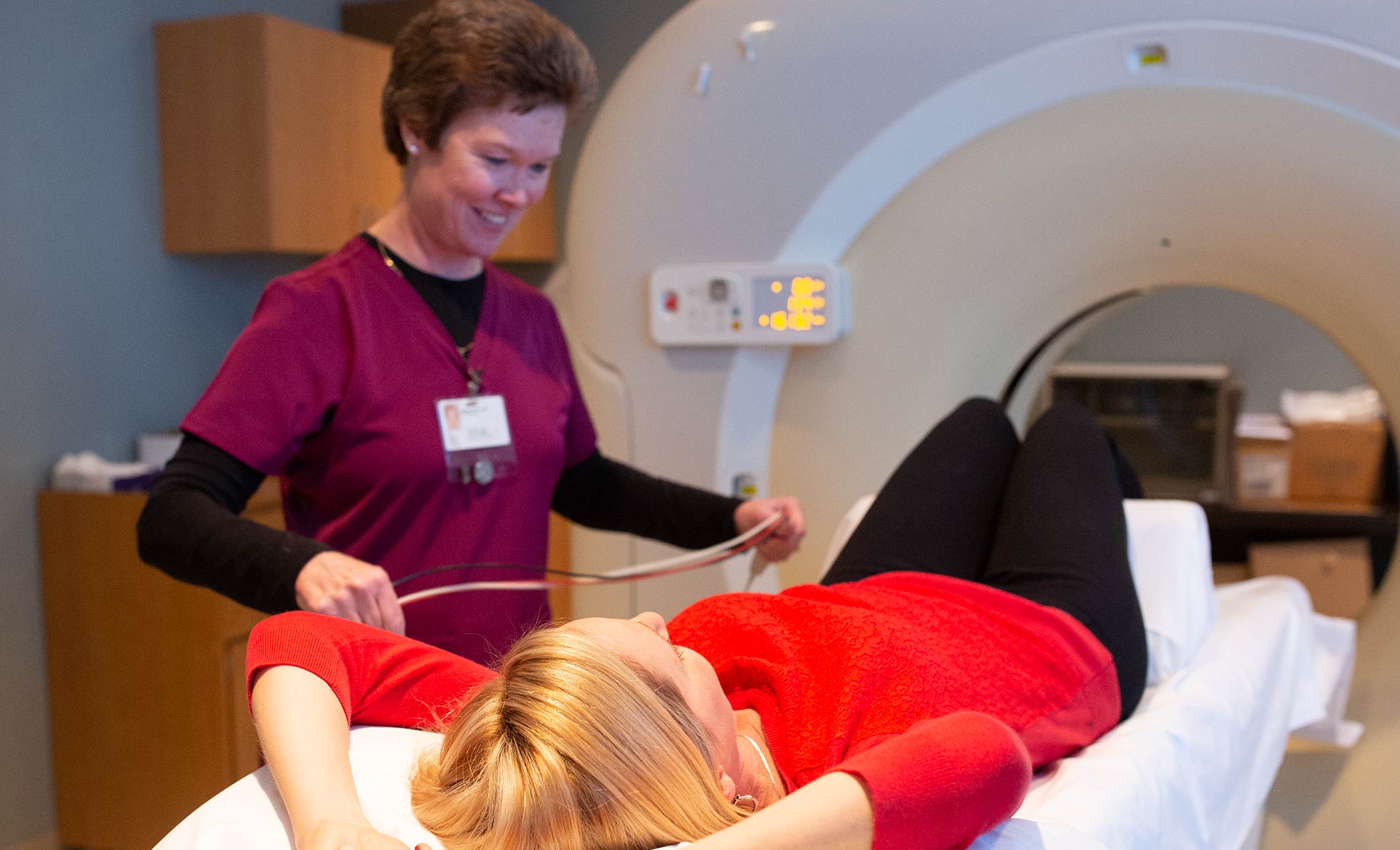
diagnostic tech performing a heart scan

Getting a cardiac CT scan for calcium scoring is a quick and simple process that does not require pills, blood draws, or a healthcare provider’s note.

Learn your health heart risk

You don’t need pills or blood draws or even a provider’s note to get a cardiac CT scan for calcium scoring. It’s fast and easy. And, Holston Medical Group is here through it all for you by offering this scan in our Healthy Heart Gift Card for just $49 every February (regularly $69).

You can buy the Heart Healthy Gift Card for yourself or your loved ones. After you buy the card in February, you can schedule the exam for any time of the year — you don’t even have to have an HMG primary care provider!

Why choose HMG for calcium scoring?

The HMG cardiac CT scan for calcium scoring is special because we have two kinds of providers review the results: a heart specialist and a radiologist. They look at your heart and the surrounding tissue to make sure you are healthy. We’ll even send the results to your regular provider.

Take the next step

Heart disease can be worrisome but preventing it doesn’t have to be. To take care of your heart (and the hearts of your loved ones), take the easy test at HMG. And, with a few simple changes to your lifestyle, you can set your heart on the right track. Don’t forget to subscribe to our blog to continue to get new health tips, wellness advice and more, straight from our providers!

Parvati Ananthula, MD is a primary care physician at HMG Primary Care at MeadowView.

Health Matters Blog logo

Subscribe

Sign up for health tips, wellness advice and more, straight from our providers.

Subscribing indicates your consent to our terms of use and our privacy policy. You can unsubscribe anytime.

More about medical conditions & treatments

Why foot care is essential for people with diabetes

Diabetes foot care

Foot care is an essential part of diabetes management. Learn how to protect your feet and lower your risk of complications.

Recovering from an ACL injury: Insights from a sports medicine physician

Recovering from an ACL injury

A sports medicine physician shares personal lessons on patience, resilience, rehabilitation, and returning stronger after injury.

Fish tale tells the story of HMG’s wound care services

Fish Tale tells the story of HMG’s wound care services

Wound care providers help people who have injuries like scrapes, burns & spider bites that won’t heal. Bryon Krantz’s stingray injury was new to HMG.