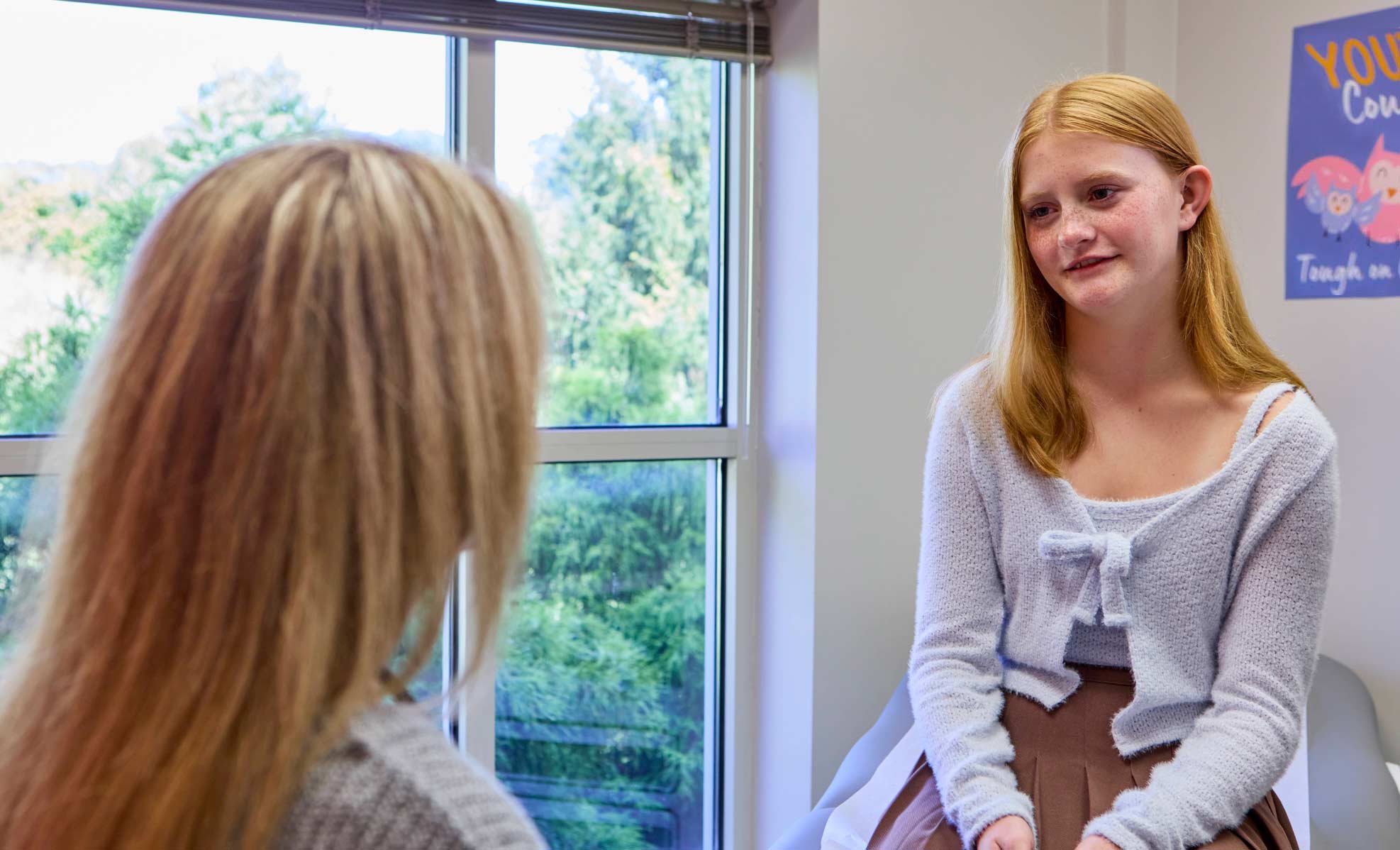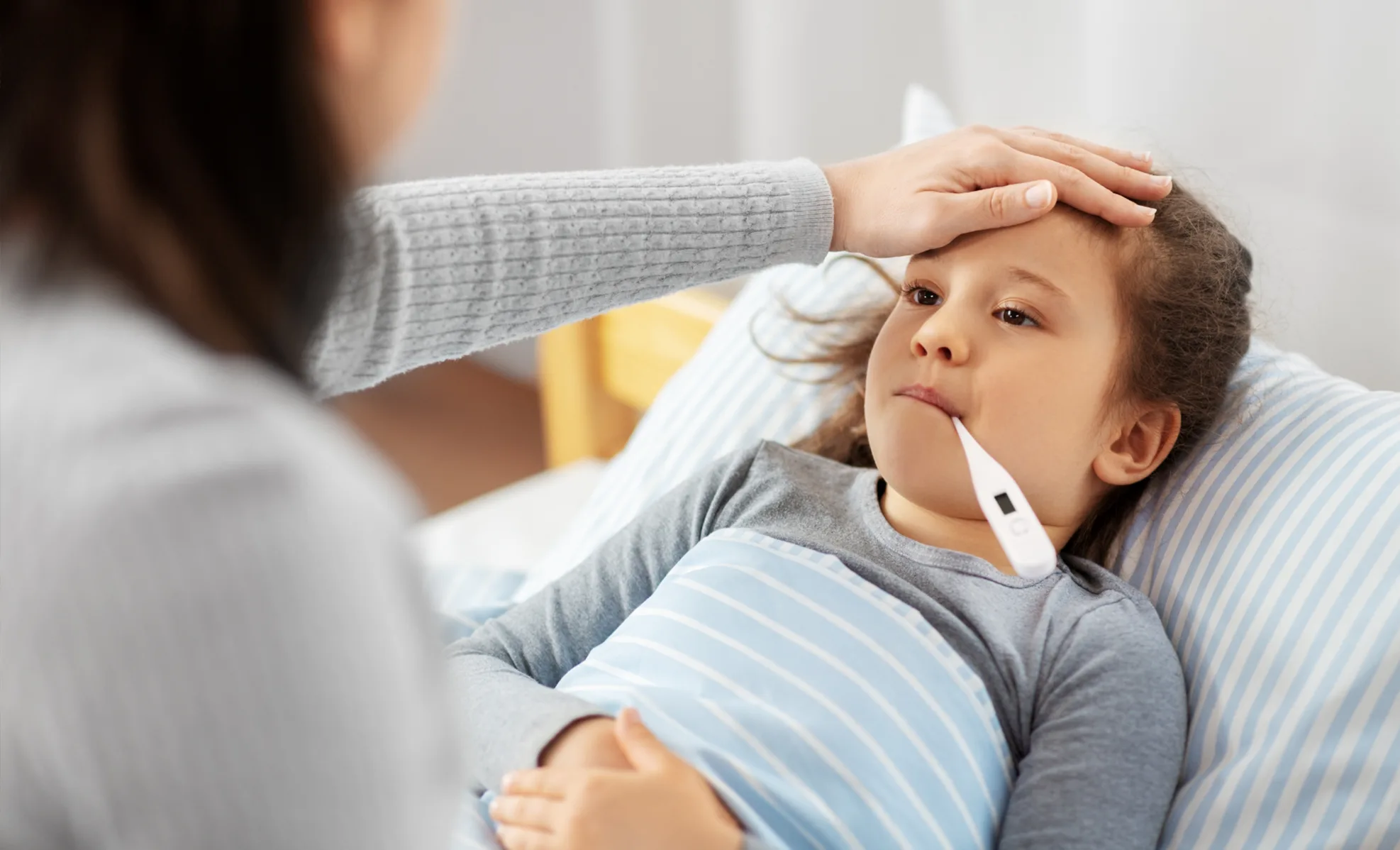

April is Stress Awareness Month, a time to bring attention to how stress impacts both adults and children. While we often think of stress as something adults deal with, kids experience stress and anxiety, too. The difference is that children do not always have the words to explain what they are feeling. Instead, stress often shows up in their behavior or even through physical symptoms.
Understanding how stress looks in children is the first step toward helping them feel supported, safe and emotionally healthy.
Talking to Your Kids About Stress
Stress Awareness Month is a great opportunity to start conversations many families overlook. Children face pressures from school, social situations, changes at home and even things they see in the world around them. Because kids are still developing emotionally, they may not say “I’m overwhelmed” or “I’m anxious.”
Instead, their stress may show up as mood changes, sleep problems or frequent complaints of physical discomfort. When parents know what to watch for, they can recognize signs of stress early and take action before symptoms grow more severe.
How Anxiety Looks Different in Children Than in Adults
Adults tend to talk about anxiety. They may describe racing thoughts, feeling tense or having trouble concentrating.
Children are more likely to show anxiety than talk about it. A stressed child might be irritable, overly emotional, clingy or withdrawn. Some children act out, while others become unusually quiet. Many kids experience physical symptoms like stomachaches or headaches, especially when stress is ongoing.
Children are not trying to be difficult. Often, they simply do not have the language to explain what they are feeling inside.
Behavioral Signs of Stress Parents Often Miss
Stress in children can look like everyday behavior, which is why it is sometimes overlooked. Common signs include:
- Changes in sleep, such as trouble falling asleep, nightmares or wanting to sleep in a parent’s room
- Avoidance behaviors like refusing school, activities or social events they once enjoyed
- Increased irritability, tantrums or emotional outbursts
- Regression in younger children, including bedwetting, baby talk or extra clinginess
- Difficulty concentrating, which is sometimes mistaken for ADHD
- Perfectionism and strong reactions to small mistakes
These behaviors are often seen as discipline issues, but they can be a child’s way of communicating emotional distress.
Physical Symptoms That Can Signal Anxiety
Children’s bodies often speak when their words cannot. Stress and anxiety may cause:
- Frequent stomachaches or nausea
- Headaches
- Rapid heartbeat or fast breathing
- Muscle tension
- Fatigue
- Changes in appetite
If these symptoms occur regularly and do not have a clear medical cause, stress or anxiety may be contributing.
Simple Ways Families Can Support Stressed Children at Home
Parents do not need special training to help their child feel more secure and grounded. Small, consistent steps at home can make a meaningful difference.
Helpful strategies include:
- Keeping predictable routines to give children a sense of safety
- Building in daily screen free time for calm connection
- Practicing deep breathing or relaxation exercises together
- Asking open ended questions like “What made your tummy feel funny today?”
- Modeling calm responses, since children mirror adult behavior
- Prioritizing adequate sleep, which plays a major role in emotional regulation
- Creating a calming space with comforting items like books, stuffed animals or soft lighting
Even small changes can help reduce stress and promote emotional resilience.
When to Seek Extra Support
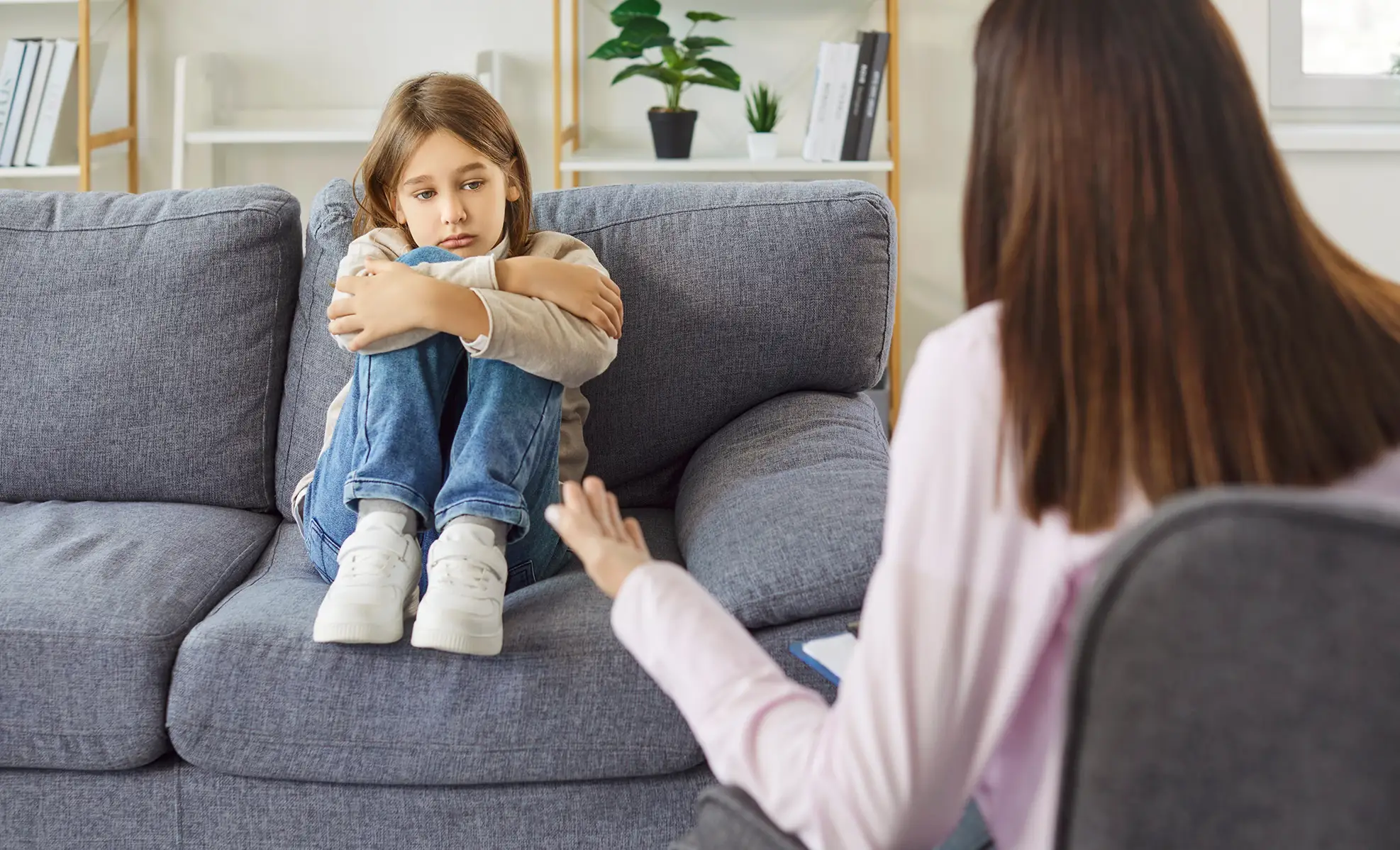
Sometimes children need more help than families can provide on their own. Parents should consider reaching out to a pediatrician or mental health professional if:
- Stress interferes with school, sleep, eating or relationships
- Symptoms last more than a few weeks
- A child avoids activities due to fear or anxiety
- Physical complaints continue without a medical explanation
- Parents feel unsure or overwhelmed
Pediatricians are trained to screen for anxiety and can help guide families toward the right next steps. For some children, simple coping strategies are enough. Others may benefit from working with a child therapist or psychologist.
Supporting a Child’s Emotional Health
Stress is a normal part of life, but children should not face it alone. By recognizing how stress shows up and responding with empathy and support, parents can help their children build healthy coping skills that last a lifetime.
Stress Awareness Month is a reminder that emotional health matters at every age and that help is available when families need it.