

Health & Wellness

Understanding cholesterol: Take control of your numbers

February 19, 2024 | 5-minute read

senior couple making a salad in the kitchen

In this article

Most people hear “cholesterol” and think, “Oh, that’s bad.” But the truth is that there are different kinds of cholesterol. Not all are bad. In fact, your body needs good cholesterol. It’s important for your cells. It also helps make hormones, vitamin D, and other things our bodies need.

The catch is that the bad kind of cholesterol can be very bad. It’s sneaky and is sometimes called the silent killer because it can lead to heart attacks and strokes—often with no warning signs. Bad cholesterol can also impact people with diseases like diabetes or heart disease.

The challenge with high cholesterol is that it often does not cause noticeable symptoms. Many people do not realize their cholesterol levels are elevated until they have them checked through a routine blood test.

That’s why it's important to see your primary care doctor at least once a year. They can do a very simple blood test to get lots of information. It’s a great way to decrease your risk and improve your health.
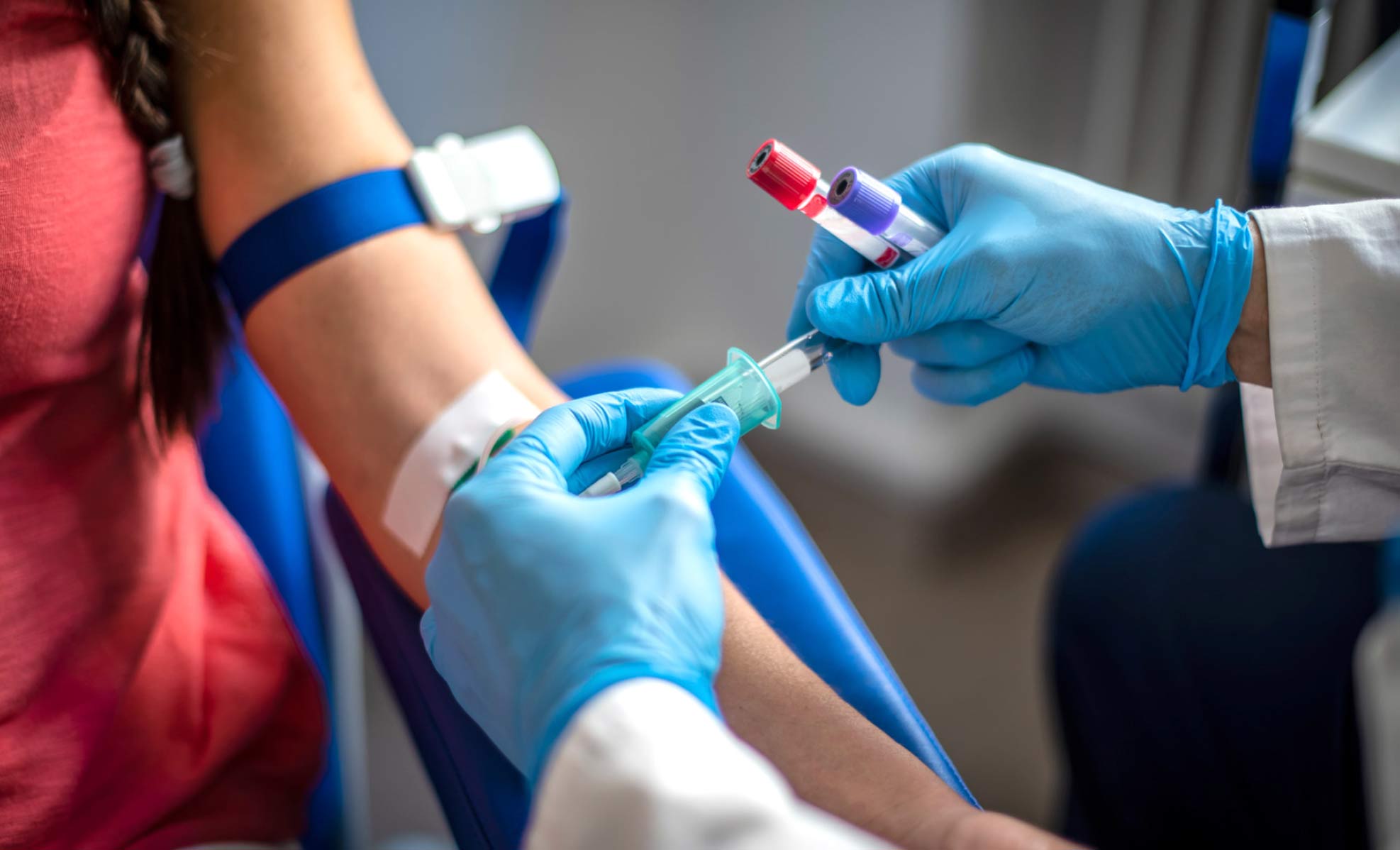
person getting blood drawn for tests

Seeing your primary care doctor once a year is an easy way to keep up with the numbers. We’ll do a simple blood test to get information about your cholesterol.

What is the difference between HDL and LDL?

The more you know about cholesterol, the better your Holston Medical Group provider can help you. First, you should know the difference between the “good” and “bad” types.

  • HDL is good. That stands for “high-density lipoprotein.” (Lipoprotein is another way to say “cholesterol.”) The higher the density of cholesterol, the better for your body. We actually want your HDL number to be high! HDL helps protect your heart and gets rid of bad cholesterol in your blood.
  • LDL is bad. That stands for “low-density lipoprotein.” LDL sticks to the walls of your arteries and makes it harder for your blood to flow. When too much LDL builds up, it can lead to heart disease, heart attacks, or strokes.
  • VLDL is bad. That stands for “very low-density lipoprotein.” The lower the density, the more likely it will create plaque buildup in your blood vessels.

When you see your primary care provider each year, they will order a blood test showing your body’s HDL, LDL, and VLDL levels. An easy way to remember which ones are good: “H” for high density, you want a high number; “L” for low density, you want a low number.

Where does cholesterol come from?

People usually think food is the only place to get bad cholesterol, but that’s not always true. LDLs and VLDLs can be found in foods like red meat, butter, fried foods, sweets, baked goods, and cooking with palm or coconut oils. But diet is just one cause of high bad cholesterol.

People can also have high LDL levels if they:

  • Have others in their family with high cholesterol
  • Are overweight
  • Are older
  • Are smokers
  • Sit too much
  • Are a member of an ethnic group more likely to have high cholesterol
  • Have a chronic disease like diabetes or high blood pressure
  • Eat unhealthy foods

When high bad cholesterol isn’t diagnosed fast enough, it can lead to heart disease issues like chest pains, blood clots, heart attacks and strokes.

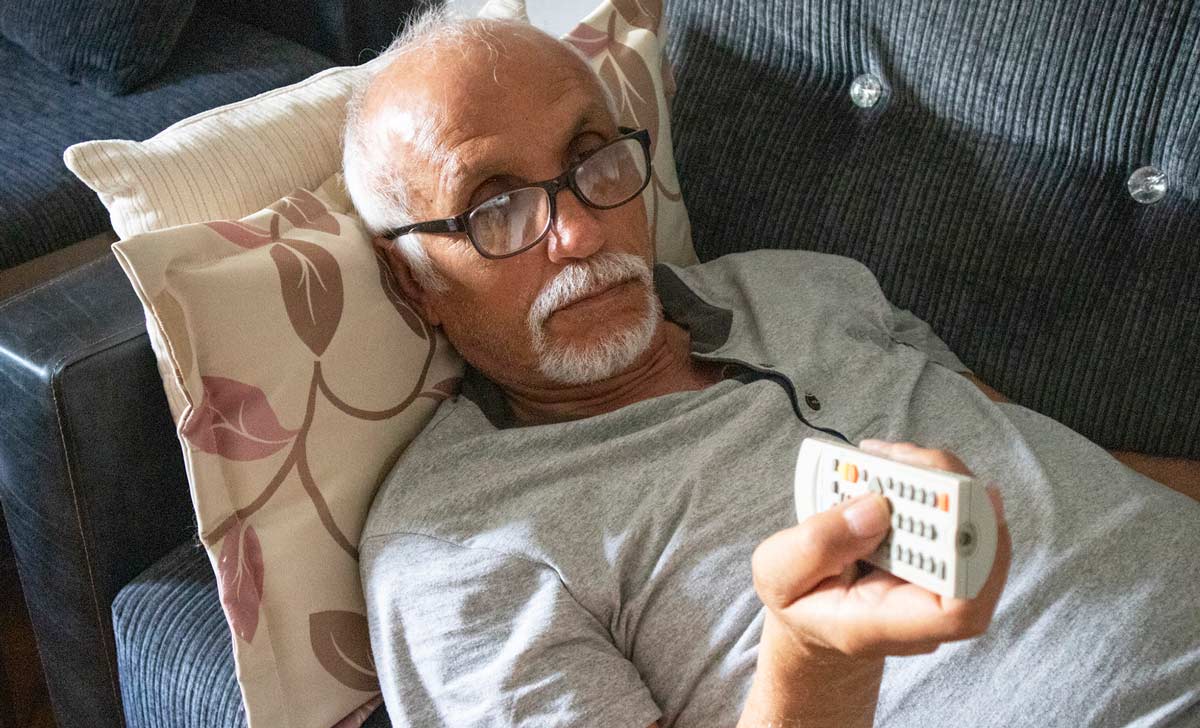
senior man lying on the couch with a remote, leading a sedentary life

Poor dietary habits aren’t the sole contributor to elevated LDL levels. Sedentary behaviors like prolonged sitting can also play a role.

Knowledge is power

The most important way to combat bad cholesterol is to know your numbers. Talk to your primary care provider about taking the blood test. It’s a normal part of a yearly checkup and might be covered by your insurance.

Once you know your numbers, you and your provider can create a personal care plan together.

The good news: Taking a pill is not the only way to lower your LDL. Instead, we’ll start by looking at your overall health. Some changes that you can make every day include:

  • Exercise more. It’s a great way to improve your good cholesterol. 150 minutes of moderate exercise—like walking for 30 minutes five days a week—can help protect your heart. It can help with weight loss, too.
  • Stop smoking. Your provider can help you make a plan to stop smoking. When you stop smoking you lower the likelihood of heart diseases, cancers, eye diseases and diabetes.
  • Eat a healthy diet. Try to eat lots of fresh fruits and vegetables. Avoid saturated fats as much as you can. But know that not all fats are bad! Talk to your provider about the differences between good and bad fats. “Good” fats come from foods like nuts, seeds, avocados, fish and oils made from plants or seeds, like olive oil.

Beat bad cholesterol

Understanding cholesterol is just one part of knowing how your body works. When you know your HDL and LDL numbers, you can start to fix problems your whole body might be having.

Your HMG primary care provider is here with you every step of the way. If it has been more than a year since you’ve had your cholesterol numbers checked, make an appointment today!

People with Type 2 diabetes should remember that they don’t just have a high sugar problem; it can cause problems for your entire body. Type 2 diabetes can impact your heart, blood, eyes, and kidneys. That’s why it is so important to make good choices about the food you eat.

If you have questions about the best foods to eat after you have been diagnosed with Type 2 diabetes – or if you want to prevent it – talk with your trusted primary care provider at HMG. We’re here through it all for you and want to make sure that you understand everything about your health.

To learn more about diabetes and which foods are important and which to avoid, call HMG to schedule an appointment today.

Health Matters Blog logo

Subscribe

Sign up for health tips, wellness advice and more, straight from our providers.

Subscribing indicates your consent to our terms of use and our privacy policy. You can unsubscribe anytime.

More on health & wellness

Don’t wait for the breakdown: A man’s ultimate guide to health maintenance

Why men shouldn’t skip preventive care

Stay ahead of health issues with Dr. Kegley’s guide to screenings, preventive care, and healthy habits for men 40 and up.

Perimenopause and menopause: What women need to know

Perimenopause and menopause symptoms and treatment

Learn the common symptoms of perimenopause and menopause, how long they may last, and evidence-based treatment options to help women manage this natural life transition.

Stress is part of life but you do not have to carry it alone

You don’t have to carry stress alone

Stress is something we all experience. Learn how it affects your body, common warning signs, and simple ways to reset and feel better.