As Quentin’s journey to diabetes health demonstrates, undiagnosed or poorly managed diabetes can have disastrous effects on a person’s overall health. When blood sugar levels drop to mildly or moderately low or rise to high levels, it can be easy for individuals to brush off the symptoms, such as fatigue or excessive thirst. They may find themselves waking up in the middle of the night to urinate. They also might have dry skin.
But when blood sugar drops to a dangerously low or high level, the impact on health steadily becomes more severe. Symptoms include:
- Loss of weight without trying—even as individuals find they are more hungry
- Blurred vision
- Poor healing of wounds and repeat skin infections
- Numbness or tingling in hands or feet
When diabetes isn’t treated, patients can end up with irreversible nerve damage. It can also lead to heart disease. In the worst cases, poor circulation can lead to ulcers and infections that force patients to undergo amputation of toes, feet or legs. Patients can even fall into a diabetic coma. Nationally, diabetes is the seventh-leading cause of death in the United States.
That’s why it’s so important to understand your body, seek help if you’re feeling unwell and—if you’ve been diagnosed with diabetes—to seek a partner in care who you can trust.
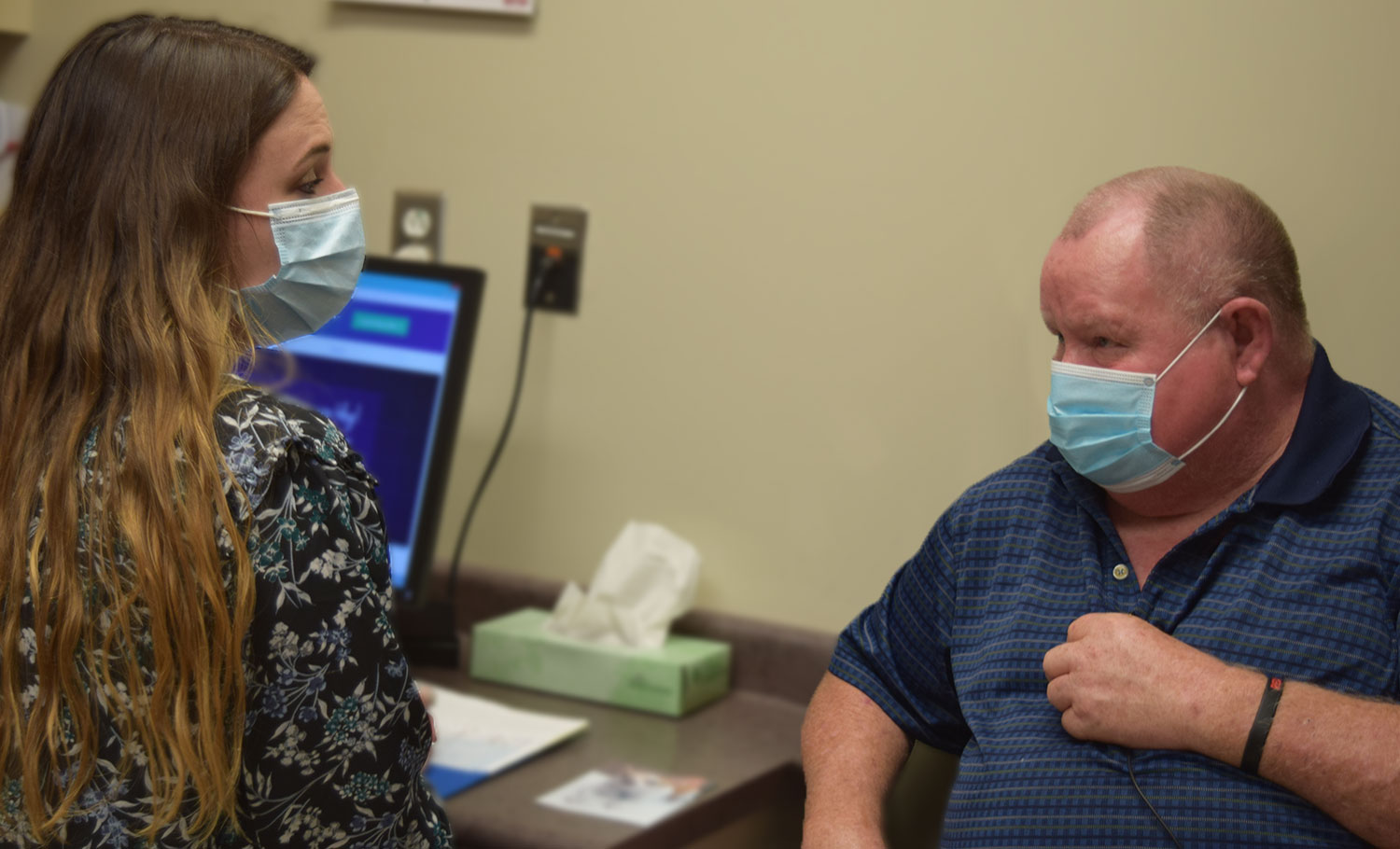
Quentin was diagnosed with diabetes later in life, and it took time for him to adjust not only to the medication plan his physician prescribed, but also changes in his eating habits. Once he found the right partner in Dr. Owens, he was surprised by how quickly his health turned around. “She put confidence back in me,” he says. “I hadn’t felt well for a while, but now, I’m all right, since I keep up with my diet and my insulin. I just had to work out what I eat and make sure I take my insulin the way it’s supposed to be taken and check my blood sugar on the regular.”
Dr. Owens remembers meeting Quentin for the first time. “He was very nervous,” she says. “He showed up to see me with a very soggy bag of insulin, and he was scared about doing those injections himself. That first visit, we sat down together and practiced doing those injections using demonstration pens and some models.” Once Quentin felt comfortable giving himself insulin injections, “We followed up with each other about once every one to two weeks, just to make sure he still felt comfortable, and each time he came in, we would continue to practice,” she says.
Dr. Owens taught Quentin how to take his other medications correctly as well. “I knew that Quentin has difficulty reading, so I actually drew pictures on his medication bottles that would help him know what times of the day to take those medications,” she says. “For example, I’d draw a sun to indicate which medications to take first thing in the morning and then a very poorly drawn moon for medications that should be taken at night.”
Through it all, Quentin says, Dr. Owens has become more than a physician. “She’s my best friend,” he says. “We keep each other straight.”
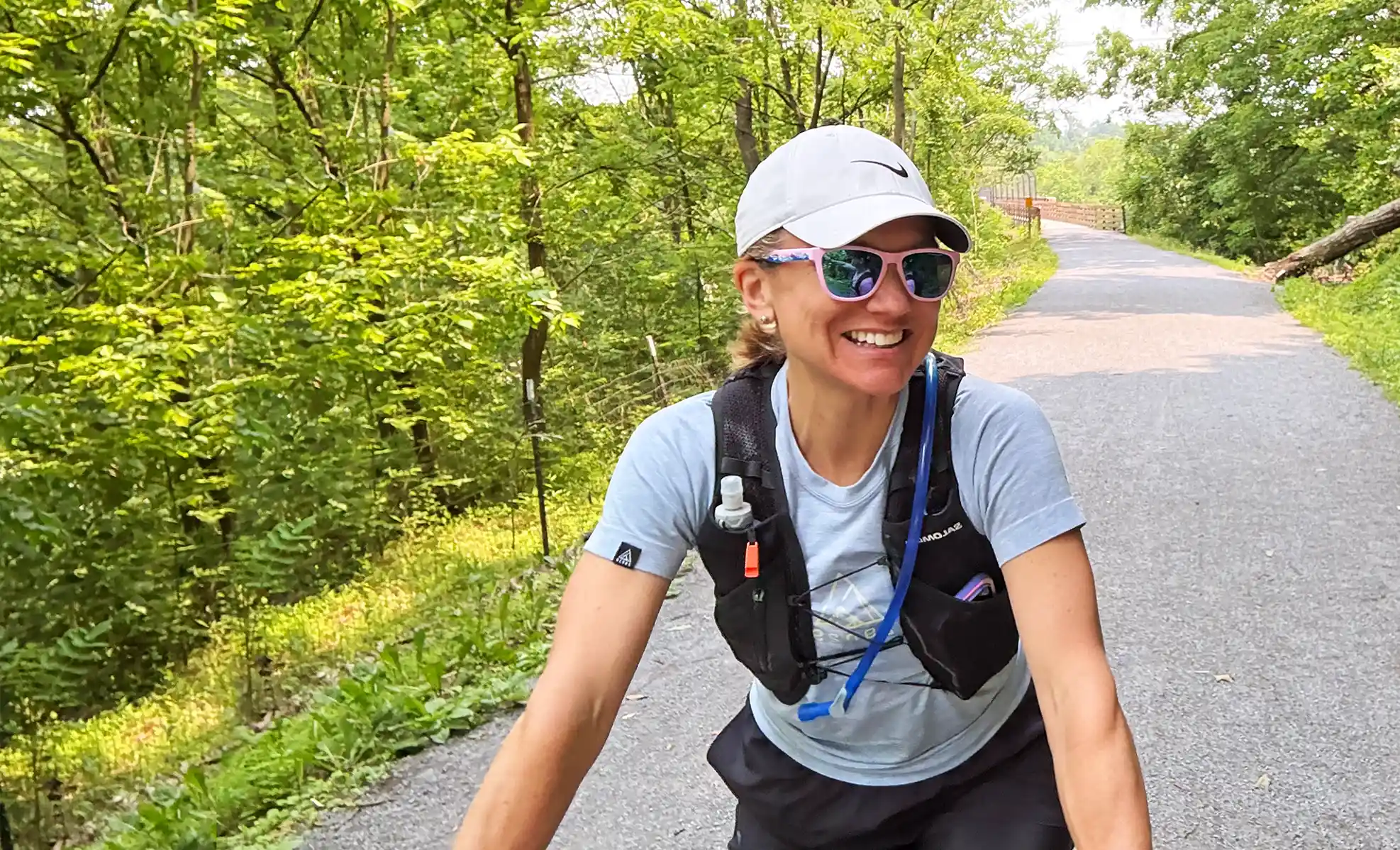
“I told him: ‘Call me anytime you have a question, and I’ll do my very best to take care of you,’” Dr. Owens says. “The relationships I build with patients are the best part of my work.”