
Type 2 diabetes is a common chronic condition that affects people of all ages and backgrounds. Many individuals are living with diabetes or prediabetes, sometimes without realizing it. Regular checkups, screenings, and healthy lifestyle habits can play an important role in early detection and prevention.

The difference between Type 1 & Type 2 diabetes
Not all diabetes is the same. Understanding the different types of diabetes can help you better manage your health. People with Type 1 diabetes do not produce enough insulin, a hormone that helps move glucose from the bloodstream into the body’s cells. Without enough insulin, glucose builds up in the blood.
Type 2 diabetes develops differently. People with Type 2 diabetes become resistant to insulin, meaning the body has a harder time using it effectively. Over time, the body may struggle to produce enough insulin to keep blood sugar levels within a healthy range.
So, what’s next?
When you have just been told that you are diabetic, it probably comes with the need to change your diet to better control sugar levels. Eating foods without ingredients that trigger episodes of high blood sugar is one way to help prevent and control Type 2 diabetes. It’s easy to go to the grocery store and buy products “designed for people with diabetes” or “diabetic friendly.” However, I always tell my patients in my family medicine office at Holston Medical Group that they need to take the time to read the ingredients list and not just focus on what they see on the front of the package – or even the nutrition label.

Make sure you read the ingredients list while shopping – this is even more important than the nutrition label. Many items that are labeled “diabetic friendly” are for Type 1 diabetics and can actually make Type 2 diabetes worse.
Many “diabetic friendly” foods are for Type 1 diabetics and can actually make Type 2 diabetes worse. For example, a sugar called fructose, commonly sourced from corn, can get into cells without insulin. So, fructose can be helpful for people with Type 1 diabetes. On the flip side, fructose can harm people with Type 2 diabetes because they already have too much glucose in their bodies.
Understanding how the body uses sugar differently helps my patients with Type 2 diabetes realize why they can’t shop for and eat the same foods as people with Type 1 diabetes.
What should people with Type 2 diabetes eat?
There are three main types of fuel that your body needs: carbohydrates (unprocessed sugars), fats, and proteins. Simple, unprocessed foods are the best way to get those fuels.
You can get closer to reaching your health goals just by enjoying:
- Fresh fruits
- Fresh vegetables
- Fresh meat
- Water, instead of sugary drinks like soda or lemonade
How to shop with Type 2 diabetes
When at the grocery store, choosing the right food means shopping the ”outside aisles” where you can find fresher foods. The “inside aisles” are where you’ll find processed foods you should stay away from.
Ingredients to avoid include:
- High fructose corn syrup
- Corn syrup
- Processed sugar
- Processed grains
If you have to buy processed food, read the ingredients on the back of the container instead of the front of the box or nutrition label because that information doesn’t always tell you exactly what is in your food. Brands are required to list ingredients in order of quantity, so the more there is of something in the food, the higher it will be on the ingredient list. If the first or second ingredient is “high fructose corn syrup,” “corn syrup,” “corn starch,” or “sugar,” stay away! Also, if you can’t pronounce the ingredients, you probably shouldn’t eat it.
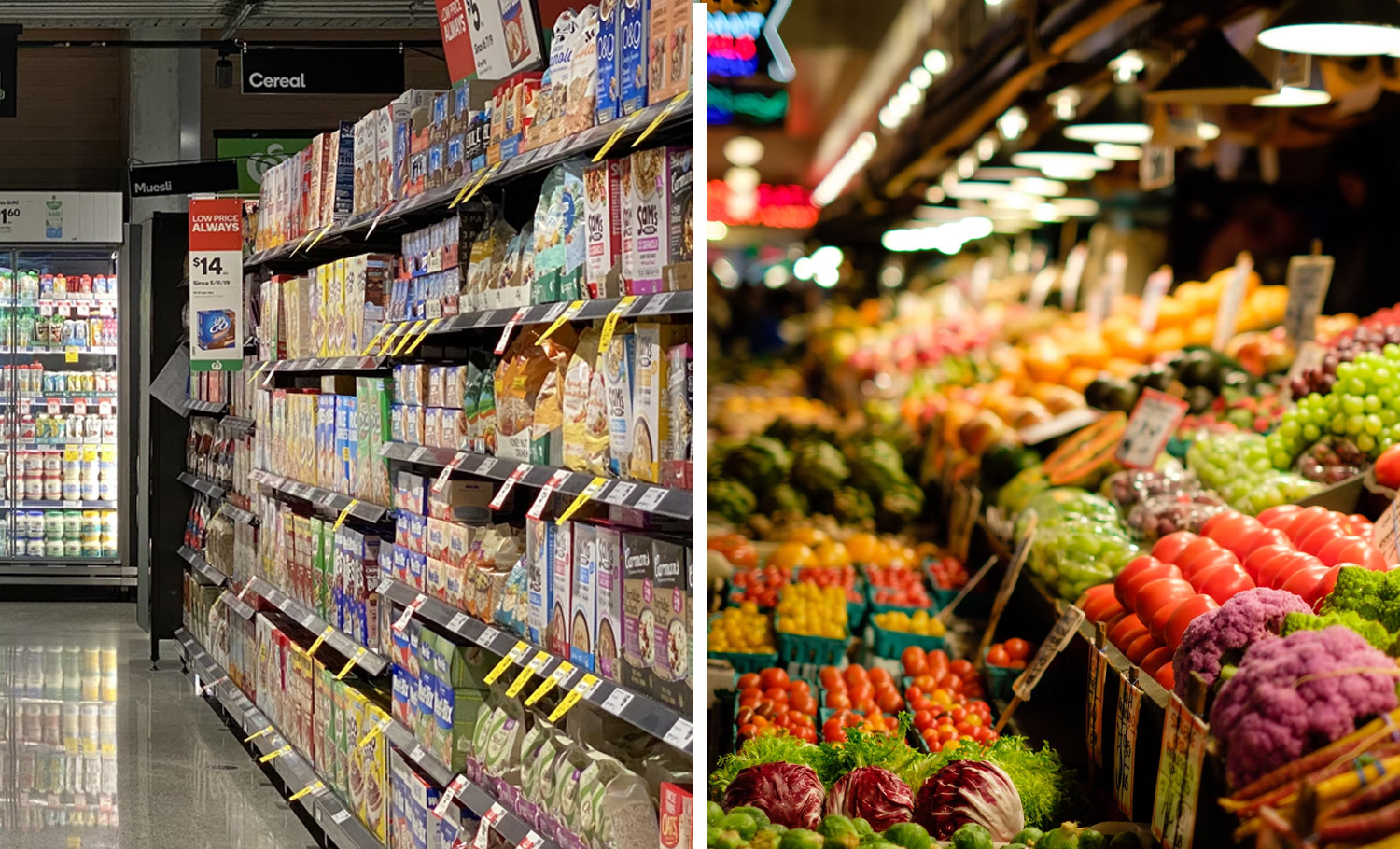
The inner aisles usually contain processed foods, while the outer aisles have fresher foods that are healthier choices.
People with Type 2 diabetes should remember that they don’t just have a high sugar problem; it can cause problems for your entire body. Type 2 diabetes can impact your heart, blood, eyes, and kidneys. That’s why it is so important to make good choices about the food you eat.
If you have questions about the best foods to eat after you have been diagnosed with Type 2 diabetes – or if you want to prevent it – talk with your trusted primary care provider at HMG. We’re here through it all for you and want to make sure that you understand everything about your health.
To learn more about diabetes and which foods are important and which to avoid, call HMG to schedule an appointment today.
Dr. Samuel Plücker is board certified primary care physician for HMG Primary Care at Meadowview in Kingsport, TN.

Sign up for health tips, wellness advice and more, straight from our providers.
Subscribing indicates your consent to our terms of use and our privacy policy. You can unsubscribe anytime.
More on medical conditions & treatments

Learn the warning signs, understand the differences, and know when to seek emergency care.

Learn how to recognize and treat Seasonal Affective Disorder (SAD). Dr. Andrew French of HMG Primary Care at Duffield explains symptoms and treatment options.

A sports medicine physician shares personal lessons on patience, resilience, rehabilitation, and returning stronger after injury.