
Has a fear of falling changed the way you or a loved one lives day to day?
Maybe you’ve started avoiding stairs, skipping walks around the neighborhood or turning down social invitations because you’re worried about losing your balance. Perhaps you’ve noticed an aging parent becoming less active, relying more on furniture for support or hesitating to leave the house alone.
While those choices may seem like a way to stay safe, they can actually increase the risk of a future fall.
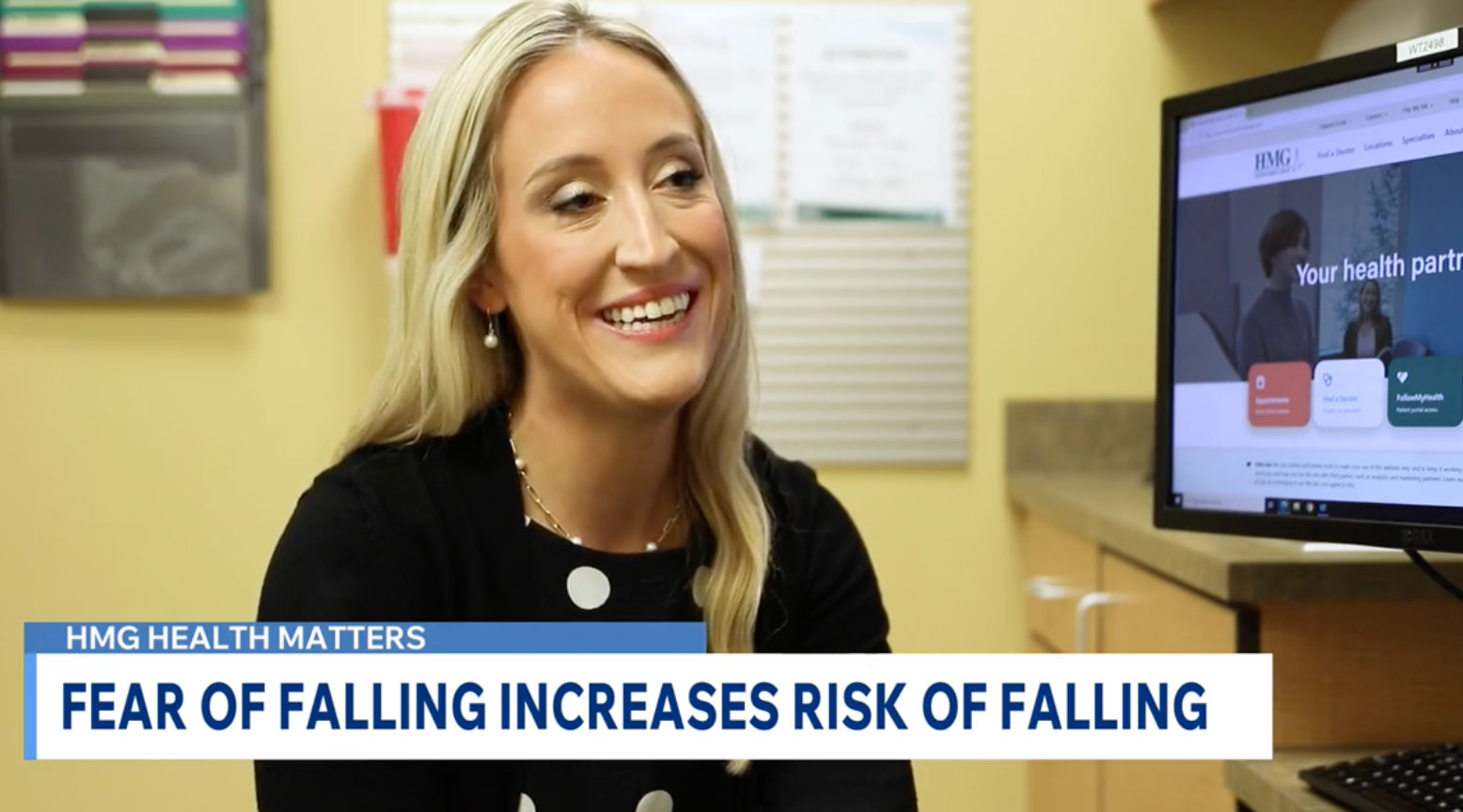
“Research shows that when people have a fear of falling, they think that keeps them safer,” says Dr. Natalie Street, a primary care provider at HMG Primary Care at Medical Plaza. “But actually, that leads to them doing less daily activity.”
As September marks Falls Prevention Awareness Month, Dr. Street is encouraging older adults and their caregivers to understand the connection between fear, mobility and fall risk, and to take steps that help maintain strength, confidence and independence.
The Hidden Cycle of Fear and Falling
After a fall or even a close call, many people naturally become more cautious. But when caution turns into avoidance, it can create a dangerous cycle.
According to Dr. Street, fear often causes people to stop doing everyday activities they once enjoyed, including walking outdoors, exercising, using stairs or participating in social events. Over time, that reduced activity can lead to muscle weakness, poorer balance and a greater likelihood of another fall.
For many families, these changes happen gradually. A parent who once seemed active and independent may start declining invitations, avoiding errands or becoming increasingly reliant on others without realizing fear is driving those decisions.
“People think they’re preventing a fall by avoiding those things,” Dr. Street says. “But they’re actually decreasing their flexibility, their balance and the strength in their muscles, and that puts them at risk for having a fall.”
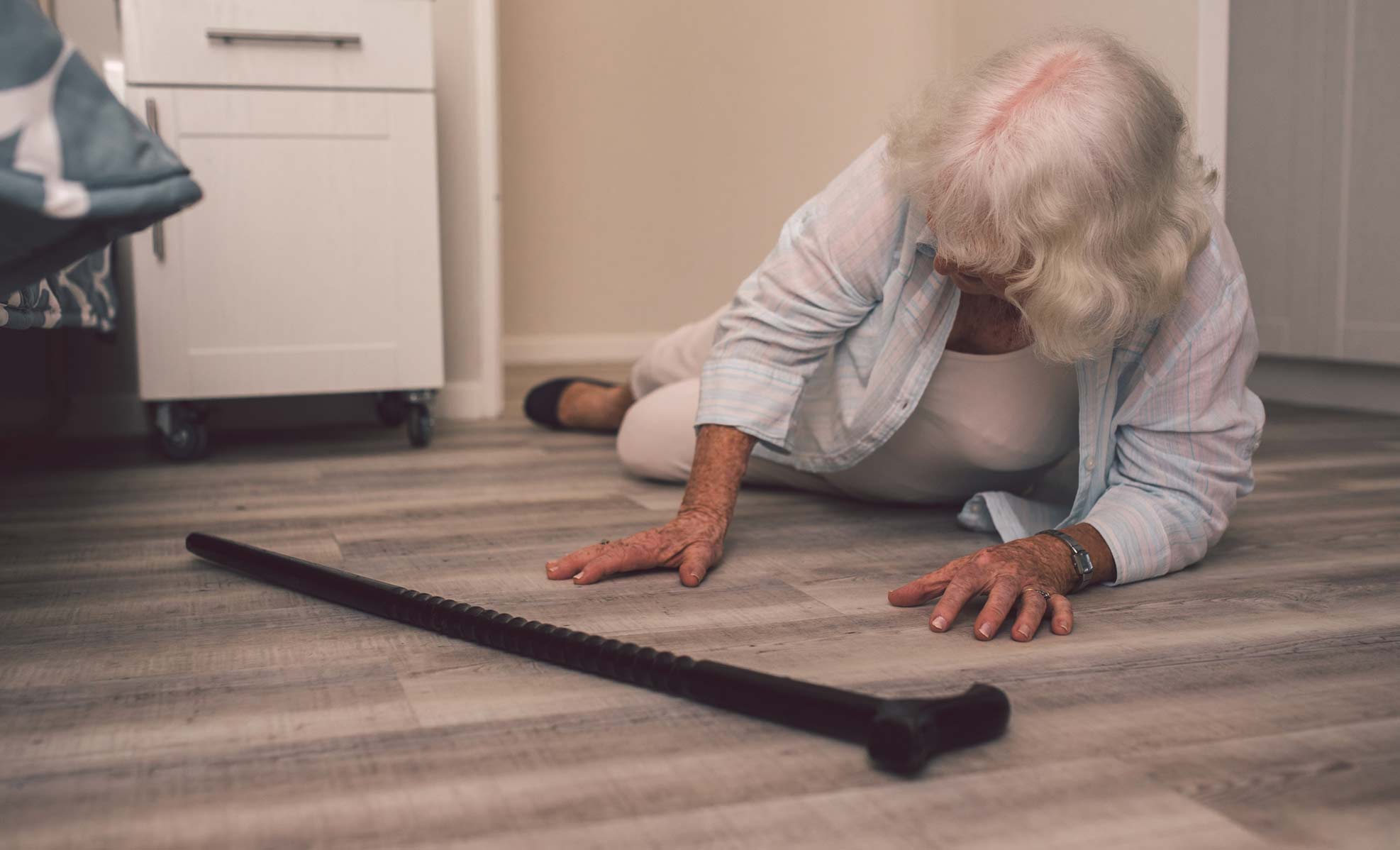
The result is a cycle that many older adults experience: a fall leads to fear, fear leads to inactivity and inactivity increases fall risk.
How Fear Changes the Way We Move
One of the most surprising aspects of fear of falling is how quickly it can begin affecting movement, often before a person even notices it.
“Fear often changes behavior long before people realize it,” Dr. Street says. “They’ll start avoiding stairs, walking outdoors and even social activity because they’re afraid of falling.”
Fear of falling doesn’t always look obvious. It often shows up in small changes such as:
- Walk more slowly
- Take shorter steps
- Become stiff or tense while moving
- Depend heavily on walls, furniture or another person for support
- Avoid errands, exercise or social outings
Ironically, these changes can make movement less natural and less stable.
Why Staying Active Matters for Fall Prevention
Maintaining strength and balance is one of the most effective ways to reduce fall risk as we age.
“Balance is a skill, just like anything else. It needs practice,” Dr. Street explains. “The same is true for the strength in your legs and core muscles. If you aren’t using them, they’re going to get weaker.”
Strong lower-body muscles help keep people upright and can improve their ability to recover if they trip or lose their footing. Conversely, lower-body weakness and balance problems remain among the most common risk factors for falls.
Staying active isn’t just about preventing falls. It’s also about maintaining the freedom to do the things you enjoy, whether that’s gardening, traveling, shopping, volunteering or spending time with family and friends.
Even small reductions in everyday activity can gradually affect flexibility, endurance and confidence.
“Those small changes, gradually over time, will increase the risk that you have a fall,” Dr. Street says.
When Caution Becomes a Confidence Problem
Not every concern about falling is unhealthy. In fact, some caution can help people make smart decisions and stay safe.
“Healthy caution protects you,” Dr. Street says. “A confidence issue starts interfering with your life.”
Warning signs that fear may be becoming a problem include:
- Avoiding activities you once enjoyed
- Turning down invitations or social opportunities
- Feeling anxious about leaving the house
- Skipping physical activity because of concerns about falling
- Constantly worrying about falling, even in safe environments
When fear begins limiting daily life, it may be time to talk with a healthcare provider.
How to Regain Confidence After a Fall
The good news is that a fall does not have to lead to permanent loss of independence.
“The best response to a fall is a plan, not withdrawing from activity,” says Dr. Street.
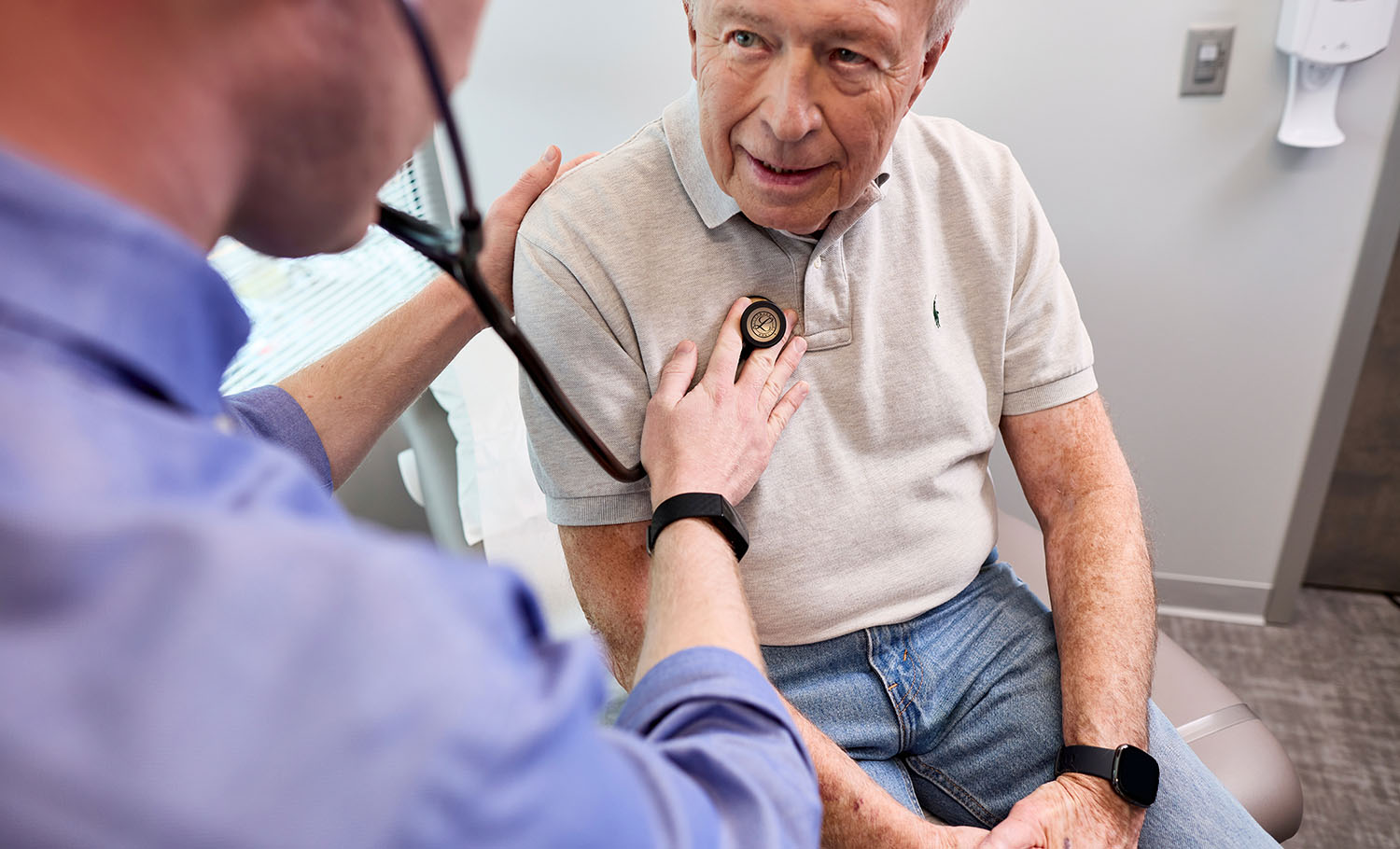
She recommends starting with a conversation with your primary care provider, especially if you’ve experienced a fall, a near fall or have growing concerns about your balance.
A healthcare provider can help identify potential risk factors, including:
- Medication side effects
- Vision changes
- Hearing changes
- Balance disorders
- Chronic health conditions
- Home safety hazards
Dr. Street also emphasizes the value of physical therapy.
“Physical therapy is a really great option to help prevent falls,” she says. “They can assess whether you’re having balance problems or weakness, work on that with you and come up with a plan to get you stronger and steadier.”
Additionally, simple home modifications such as improving lighting, removing clutter and securing loose rugs can help create a safer environment.
Taking the First Step Toward Healthy Aging
Many people assume limiting activity is the safest way to prevent a fall. In reality, staying active, maintaining strength and addressing concerns early may be the better path.
“People think that if they are aware of the risks of falling and are afraid of it, adjusting their lifestyle will help prevent a fall,” Dr. Street says. “When in reality, they will lose strength, balance and flexibility, and that will put them at risk for having a fall.”
A fall or fear of falling doesn’t have to mean giving up independence. With the right support, exercise and guidance from a trusted healthcare provider, older adults can build confidence, improve balance and continue doing the things that matter most.