
Few words are more frightening than hearing, “You have breast cancer.”
For many women, those words immediately trigger fear, uncertainty and a rush of questions. What happens next? Will I need surgery? Will I need chemotherapy? How quickly do I need to decide?
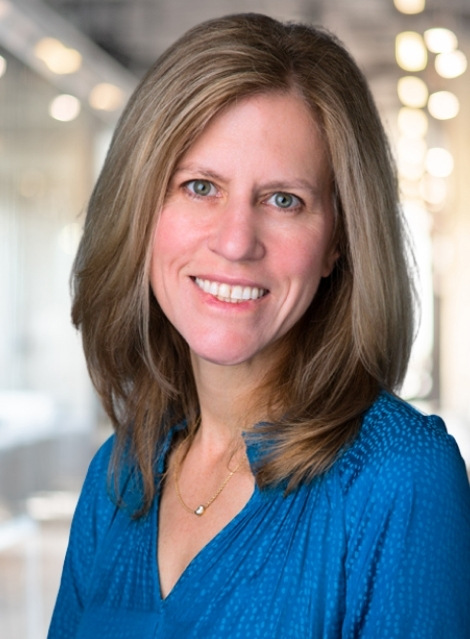
After more than two decades caring for patients with breast cancer, Dr. Cheryl Stanski, breast surgeon and Vice President of Holston Medical Group, wants women to hear one message first:
“The thing to remember first is that there’s hope. Getting a breast cancer diagnosis is really scary, and there’s a lot of fear, and it can be overwhelming.”
The good news is that breast cancer treatment has advanced dramatically. Outcomes are better than ever, treatment plans are more personalized, and patients have a team of experts ready to help them navigate every step of the journey.
Finding Clarity in an Overwhelming Moment
One of the first concerns many women have after a diagnosis is whether they need to make life-changing decisions immediately.
Dr. Stanski says that’s one of the most common fears she encounters.
“When you get diagnosed with breast cancer, you feel like, ‘Oh, I should have surgery tomorrow, and this is going to spread all over my body. I’m a ticking time bomb.’ That’s not really the case.”
While every case is different, most patients have time to learn about their diagnosis, explore treatment options, and have meaningful conversations with their care team.
“You have enough time to talk to medical professionals, get the opinions you need, absorb the information, and make decisions that are right for you.”
For Dr. Stanski, replacing fear with understanding is one of the most important parts of caring for patients.
Why There’s More Reason for Hope Than Ever Before
Breast cancer remains one of the most common cancers affecting women, with approximately one in eight women receiving a diagnosis during their lifetime.
But Dr. Stanski has witnessed remarkable progress throughout her career.
“Our treatments have come such a long way. We have such good success now in treating breast cancer. We find it earlier than we ever have before.”
She notes that five-year survival rates are now greater than 90% for many patients.
“The goal today is not simply to treat breast cancer,” says Dr. Stanski. “It’s to provide the right treatment for the right patient at the right time.”
More Surgery Doesn’t Always Mean Better Outcomes
One of the most common misconceptions Dr. Stanski hears is that more extensive surgery automatically leads to better outcomes.
After diagnosis, many women understandably want to do everything possible to fight the disease. Some assume that removing more breast tissue will significantly improve survival or prevent recurrence.
However, evidence doesn’t always support that belief.
“If we do more aggressive surgery, remove more breast tissue, the myth is that they’re going to have less chance of recurrence and better survival, and that’s really not the case.”
Dr. Stanski notes that treatment decisions should be based on evidence and individualized recommendations. Every woman’s situation is unique, making it essential to discuss all available surgical options with a trusted care team.
“Talk to your doctor, understand the options, understand the real evidence, so you can make informed decisions about what surgical treatment path is right for you.”
Does Surgery Determine Whether You’ll Need Chemotherapy?
Another common misunderstanding is that choosing a more extensive surgery can help a patient avoid chemotherapy.
According to Dr. Stanski, that’s simply not how treatment decisions are made.
Whether chemotherapy is recommended depends primarily on the biology and characteristics of the cancer itself, not the type of surgery performed. Modern breast cancer treatment uses detailed information about the tumor to create a personalized care plan.
“The goal isn’t more treatment,” she says. “The goal is the right treatment.”
What Women Should Know About Breast Reconstruction
For many women, conversations about breast reconstruction involve more than physical healing. They touch on identity, self-image and confidence.
Dr. Cheryl Stanski encourages women to learn about all available reconstruction options before making treatment decisions. Many patients are surprised to learn that reconstruction is often covered by insurance and that multiple approaches may be available.
Most importantly, she reminds patients there is no universally “right” choice.
The best decision is the one that aligns with a patient’s medical needs, personal values and goals.
Never Be Afraid to Ask Questions
If there’s one piece of practical advice Dr. Stanski hopes every patient remembers, it’s this: ask questions. Lots of them.
“A woman should never feel intimidated or embarrassed to ask a question or ask the same question over and over.”
She understands how overwhelming a diagnosis can feel and believes education is central to helping patients move forward with confidence.
“You really need to understand your options so you can make decisions about the treatment path that you feel is best for you.”
Practical Tips for Breast Cancer Appointments
- Bring a trusted family member or friend to appointments.
- Write down questions before your visit.
- Take notes during discussions.
- Ask your care team to explain medical terms in plain language.
- Give yourself grace. You do not have to become an expert overnight.
From Fear to Confidence
One of the biggest burdens patients place on themselves is the pressure to make the “perfect” treatment decision.
But breast cancer treatment is not something you’re expected to navigate alone.
Your care team is there to help you understand options, evaluate benefits and risks, answer questions and guide you through each step of the process.
Over the years, Dr. Stanski has watched countless women arrive in her office carrying the weight of uncertainty.
“They get diagnosed with breast cancer and they walk in, and you can just see the fear in their eyes.”
What she often sees by the end of the visit tells a very different story.
“By the time they walk out an hour later, armed with knowledge and information and options, they’re still concerned, and nobody wants to have breast cancer, but some of that fear gets replaced with confidence.”
That transformation—from fear to confidence—is exactly why patient education matters.
The Message Dr. Stanski Wants Every Woman to Remember
If Dr. Stanski could leave every woman with a single takeaway, it would be this:
“I want them to know that there’s hope, that our treatments are very effective, and that we’re here as a team to help them. They’re not alone.”
A breast cancer diagnosis may change your life, but it doesn’t define your future. With today’s treatment advances, personalized care plans, and a dedicated team beside you, there is every reason to move forward with hope.