
If you are in your 30s or beyond, I want you to start thinking about something many people overlook until it becomes a problem: your muscle health.
In my work as a primary care and sports medicine physician, I see firsthand how muscle strength shapes not just fitness, but independence, mobility, and long-term health. The good news is that with the right approach, you have far more control over this than you may realize.
Muscle Loss Starts Earlier Than Most People Think
One of the biggest misconceptions I hear is that muscle loss is something that happens “later in life.”
In reality, it often begins in your mid-30s. This process, called sarcopenia, leads to a gradual decline in muscle mass and strength over time. Adults can lose about 1 to 2 percent of muscle mass per year after age 35, and that rate can increase as you get older.
Even more important, strength declines faster than muscle size. That means changes in how your body feels and performs can happen before you notice anything in the mirror.
This is why I tell my patients: muscle health is not cosmetic. It is foundational to how well you age.
What Happens When Muscle Strength Declines
When muscle strength decreases, the effects show up in everyday life, not just in the gym.
The most serious risk is falling. About one in three adults age 65 and older suffers a fall each year, often leading to injury or hospitalization.
But beyond that, I see patients struggle with:
- Loss of balance and stability
- Reduced mobility
- Difficulty recovering from illness or injury
- Loss of independence over time
In more advanced cases, individuals with significant muscle loss are at much higher risk for disability compared with those who maintain their strength.
The important message is this: these outcomes are not inevitable. We can identify and address muscle loss early.
Why Your 30s, 40s, and 50s Matter Most
If you are reading this and you are under 60, you are in an incredibly important window.
This is when prevention has the greatest impact. Building and maintaining muscle now creates a reserve that protects you later in life.
Think of it as a long-term investment in your health. The strength you build today is what supports your mobility, balance, and independence decades from now.
How I Identify Early Muscle Loss in Patients
One of the advantages of primary care is that we see the full picture of your health over time.
In my office, I am not just looking at labs or treating illness. I am evaluating function. That includes things like:
- Grip strength
- Ability to rise from a chair
- Walking speed and gait
- Changes in daily activity tolerance
These simple assessments can reveal early signs of muscle decline long before a serious issue like a fall occurs.
Because I follow patients over time, I can often spot subtle changes and intervene early.
The Most Effective Ways to Stay Strong as You Age
The encouraging part is that muscle loss is one of the most modifiable aspects of aging.
Here is what I consistently recommend to my patients.

Prioritize Strength Training
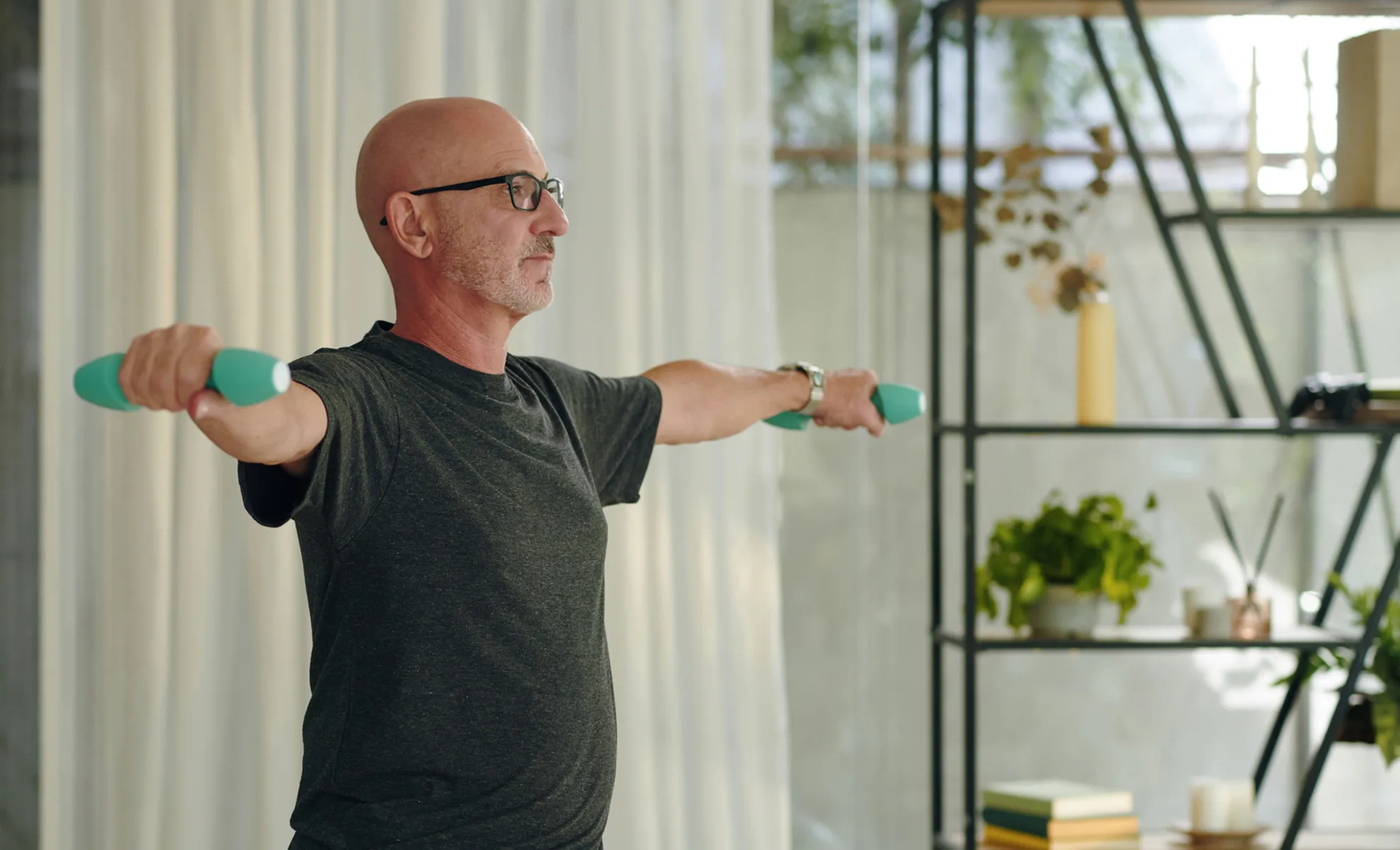
Resistance training is the most effective way to maintain and build muscle at any age.
You do not need to be an athlete to benefit. Start with:
- Bodyweight movements like squats and pushups
- Resistance bands
- Free weights
The key is progression. Gradually challenge your muscles so they continue to adapt.
Make Protein Part of Your Daily Routine
Muscle needs protein to repair and grow.
I encourage patients to include a quality protein source at each meal, whether that is lean meats, eggs, dairy, legumes, or plant-based options.
This becomes even more important as you get older.
Stay Consistently Active
Exercise is not limited to structured workouts.
Daily movement plays a major role in preserving muscle. Walking, taking the stairs, and staying engaged in physical activities all contribute to maintaining strength and mobility.
Work With Your Doctor to Individualize Your Plan
Every patient is different.
Your exercise and nutrition plan should take into account your medical history, medications, previous injuries, and overall lifestyle. This is where having guidance from a physician, especially one with sports medicine training, can make a meaningful difference in both safety and results.
Why a Long-Term Relationship With Your Doctor Matters
One of the most valuable tools you have for healthy aging is a consistent relationship with a primary care provider.
Muscle health is not something we address once and move on. It is something we monitor and support over time, alongside:
- Bone density
- Balance and fall risk
- Nutrition
- Chronic disease management
When we track these factors together, we can make earlier, more effective interventions and help you maintain independence longer.
Getting older is inevitable. Losing strength does not have to be.
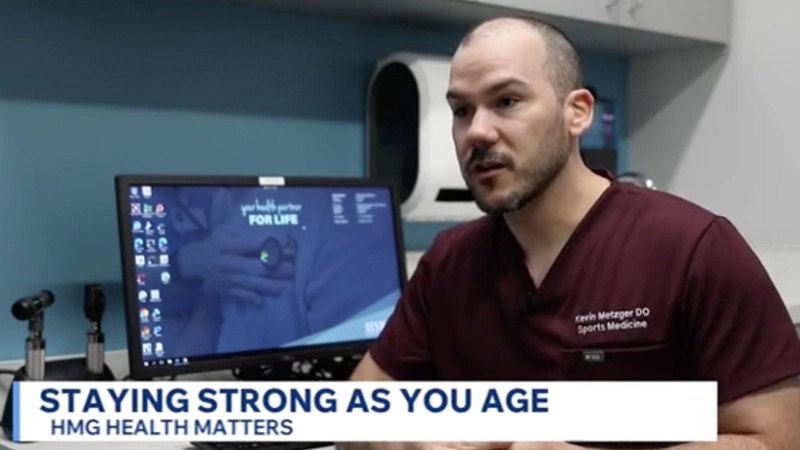
Kevin Metzger, DO
A Message I Share With All My Patients
If there is one thing I want you to take away, it is this:
Getting older is inevitable. Losing strength does not have to be.
By paying attention to muscle health now, you are investing in your ability to move well, recover well, and live independently well into the future.
Start small if you need to. Stay consistent. And do not hesitate to bring this conversation into your next appointment.
Your health is not just about living longer. It is about staying strong enough to enjoy those years.