
What does taking care of yourself actually look like? Going back to the gym? Finally trying that new diet? For many people, the pressure to “improve” can pile onto an already overloaded schedule. We end up feeling behind before we even start — unmotivated, frustrated, and unsure where to begin.
But real self-care isn’t about stacking more tasks onto your day. It’s about looking honestly at how you spend your time, how you feel, and whether your habits support your well-being. A person cannot be well if their mind and body are constantly pushed past capacity.
Mental health is health. And self-care is a practical, essential part of it — not an indulgence, and definitely not another chore. Poor mental health increases the risk of chronic conditions like heart disease, diabetes, lung issues, and GI disorders. Taking care of your body means taking care of your mind, too.
Reframing the Idea of Self-Care
Self-care for your mental health isn’t a trend or a short-term goal. Many people are overwhelmed by work, family stress, financial strain, and the constant noise of daily life. Exhaustion has become so common that we talk about it like it’s normal.

But the truth is, many “comforts” we reach for — scrolling, binge-watching, drinking to unwind — offer only a temporary escape. They often leave us more drained and disconnected.
It’s time to rethink what self-care really means.
Self-care is restorative. It gives energy back. Selfishness takes energy from others. Those two things are not the same.
And meaningful self-care doesn’t have to be another item on a list. More often, it’s choosing what not to do — clearing space instead of filling it.
Small Changes with Big Impact
What priority do you want to be in your life? Often, we get into patterns of choice (habits) that are unintentional and not representative of what we would consciously choose for ourselves. When we invest our time doing things not representative of our priorities, we increase our risk of mental distress.
Here are a few tips to help you prioritize your mental and physical health:
1. Track what you spend your time on. Write down every task or activity you do during the day. Be honest about how much time you spend on each thing.
Evaluate the top 5 things you spend the most time on. Is this reflective of your priorities? If you are not sure, write a separate list with your top 5 priorities. Are there things on the time list that do not support any of the things on the priority list? This is where you can make a big impact by decreasing time on something you do not truly value and make space for something more purposeful.

2. Are you on the screen too much? Screens are part of our life. Perform the exercise above and actively decide if you like how much time you are investing watching a screen. If you want to cut down, remove the apps from your phone that you use to ‘space-out’ or ‘numb’ uncomfortable feelings. Silence the constant distraction of alerts and turn off the 24 hour news cycle, opting to read your news, instead of watch it. And for a bonus, stop using the phone an hour before bed to improve your sleep quality and settle your mind.
3. Choose restorative ways to unwind. Replace the glasses of wine at night with herbal tea. Alcohol may help you fall asleep, but not stay asleep and it disrupts healthy brain wave patterns.
4. Set boundaries in your relationships. If you are constantly feeling drained or more anxious and depressed after interacting with someone it is likely there are not healthy boundaries in place.
These small steps add nothing to the to-do list. They create space in our lives that supports positive mental well-being and sleep quality, easing feelings of anxiety, and depression.
Evaluating Your Mental Health
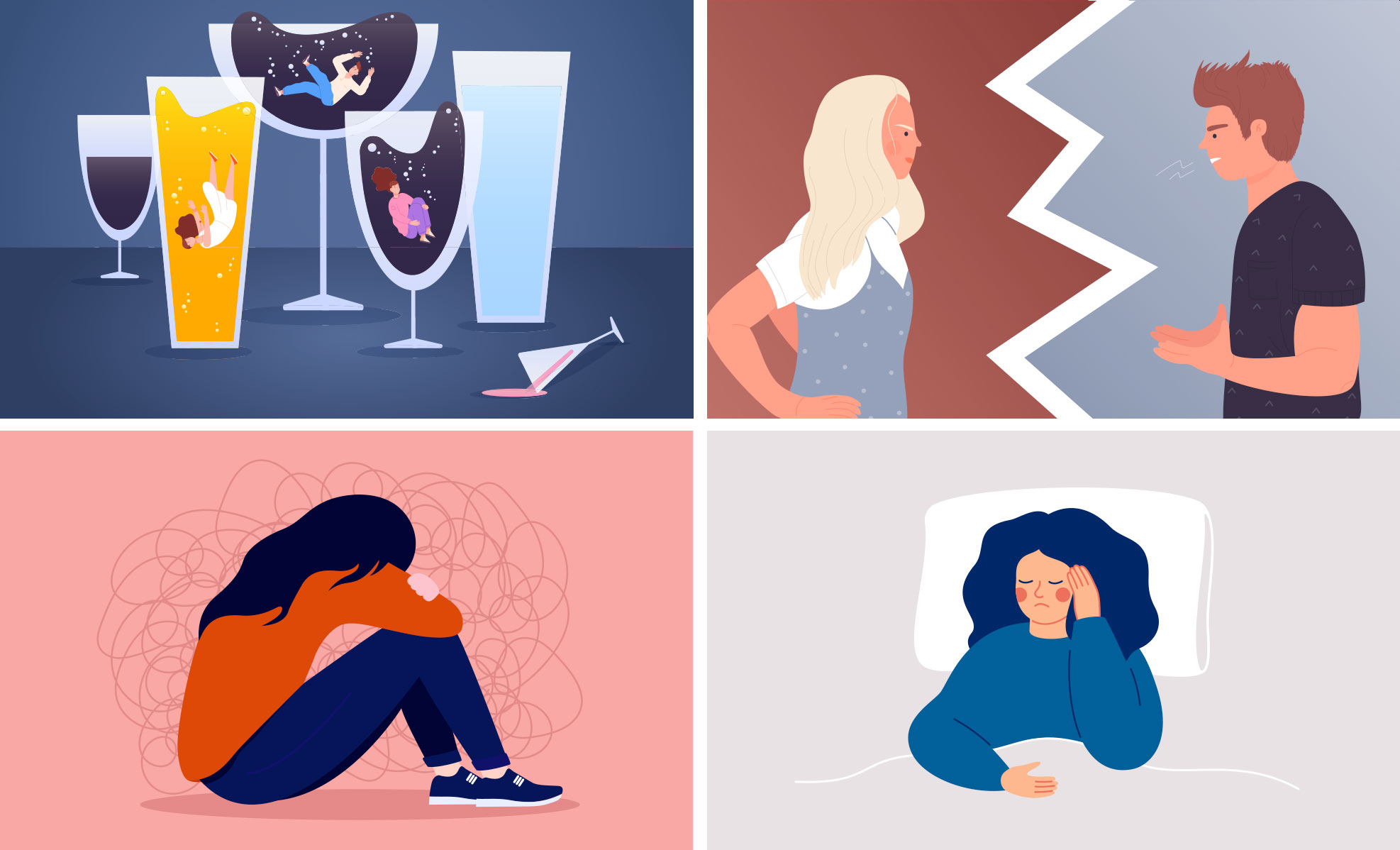
We all have good days and bad days, but you may need to focus more on self-care if your down days extend into down weeks. Ask yourself a few questions:
- Am I using alcohol or drugs to decompress at the end of the day more than three times
each week? - Are there relationships at home, work, or school that make me feel sad, mad, or
stressed? - Do I have more than three nights each week with less than six hours of sleep?
- Have I had more depressed days than good days in the last two weeks?
If you answered “yes” to two or more of these questions, consider taking a quick test online. The GAD-7 and PHQ-9 tests were created to help providers determine the best individualized treatment for mental health issues. It’s key to answer each question honestly. Just like the results of a blood test, your answers can help guide your Holston Medical Group providers on the best approach to treat your mind and body.

Talk to Your Provider
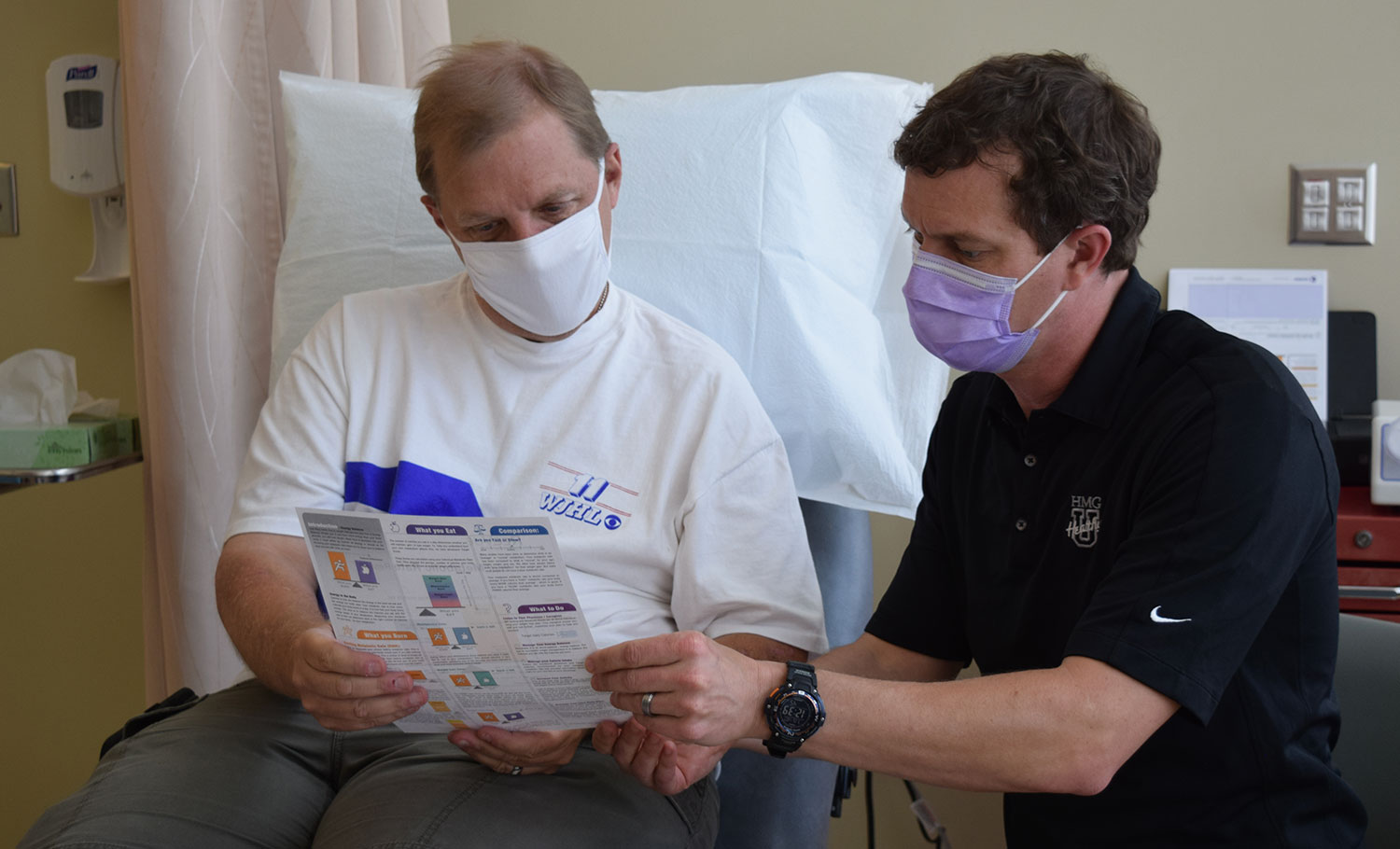
There’s a common misconception that a primary care provider doesn’t deal with mental health, but that’s not true. We are here to care for all of you – physical and mental health combined. We’re here through it all, and we can help you understand what your answers on these tests mean.
Your primary care provider can share mental health resources in your area and tips to make self-care part of your daily routine. They can explain how to make it a normal part of life—not just another thing to add to your to-do list!
Still, many people are nervous talking about mental health, even with their trusted provider. So, here are a few easy ways to start the conversation:
- Say, “I took this online test, and here are my results. What do they mean?”
- Talk about certain symptoms you’ve noticed, like not sleeping or eating well.
- Tell your provider how your daily routine has changed and how you feel.
If you don’t have a trusted provider yet, call to schedule an appointment at HMG today. I often tell people to compare self-care to their hearts. Your heart keeps your entire body nourished with the blood it pumps. But before it can do that critical act to keep the body alive, it first has to pump blood to itself.
Just like your heart, caring for yourself is a generous act that allows you to then go into the world and help others. As your health partner for life, we’re here to help you make this a priority.