
A new year is often a time to think about health goals and priorities, but knowing where to start can feel overwhelming. One of the easiest and most important steps to check off the list is scheduling a yearly wellness visit with your primary care provider. Unlike visits for illness or injury, wellness visits focus on prevention, education, and early detection to help patients stay healthier at every stage of life.
Regular wellness visits allow providers to identify potential health concerns early, review risk factors, and help patients make proactive choices that support long-term well-being. These visits are an essential part of maintaining health, not just reacting to problems when they arise.
What Happens During a Wellness Visit
A wellness visit is designed to focus on preventive care and overall health, rather than treating a specific illness. During the visit, your provider may review your medical history, discuss lifestyle habits, and recommend preventive services based on your age, health status, and risk factors.
- Preventive services such as recommended vaccinations
- Health education to support informed decision-making
- Routine screenings to identify potential conditions early
- Counseling on healthy habits, including diet, physical activity, and smoking cessation
These conversations help build a clear picture of your health and support early intervention when it matters most.
Why Vaccinations Are an Important Part of Preventive Care
Staying up to date on vaccinations is a key part of protecting your overall health. While many vaccines are given during childhood, adults also need routine vaccinations, as immunity can decrease over time and certain vaccines are recommended only at specific ages or for people with certain health conditions.
- Seasonal flu
- COVID-19
- Shingles
- Pneumococcal disease
- Tetanus, diphtheria, and pertussis
- RSV
- Hepatitis A and B
- HPV
Your provider can help determine which vaccines are recommended for you based on your age, medical history, and individual risk factors.

The Role of Family Health History
Family health history provides valuable insight into conditions that may run in your family. While genetics cannot be changed, understanding your family history allows your provider to recommend appropriate screenings and preventive strategies.
Sharing this information can help guide decisions about which screenings you may need and when they should begin. In many cases, healthy lifestyle choices can help reduce risk, even when a family history of certain conditions exists.
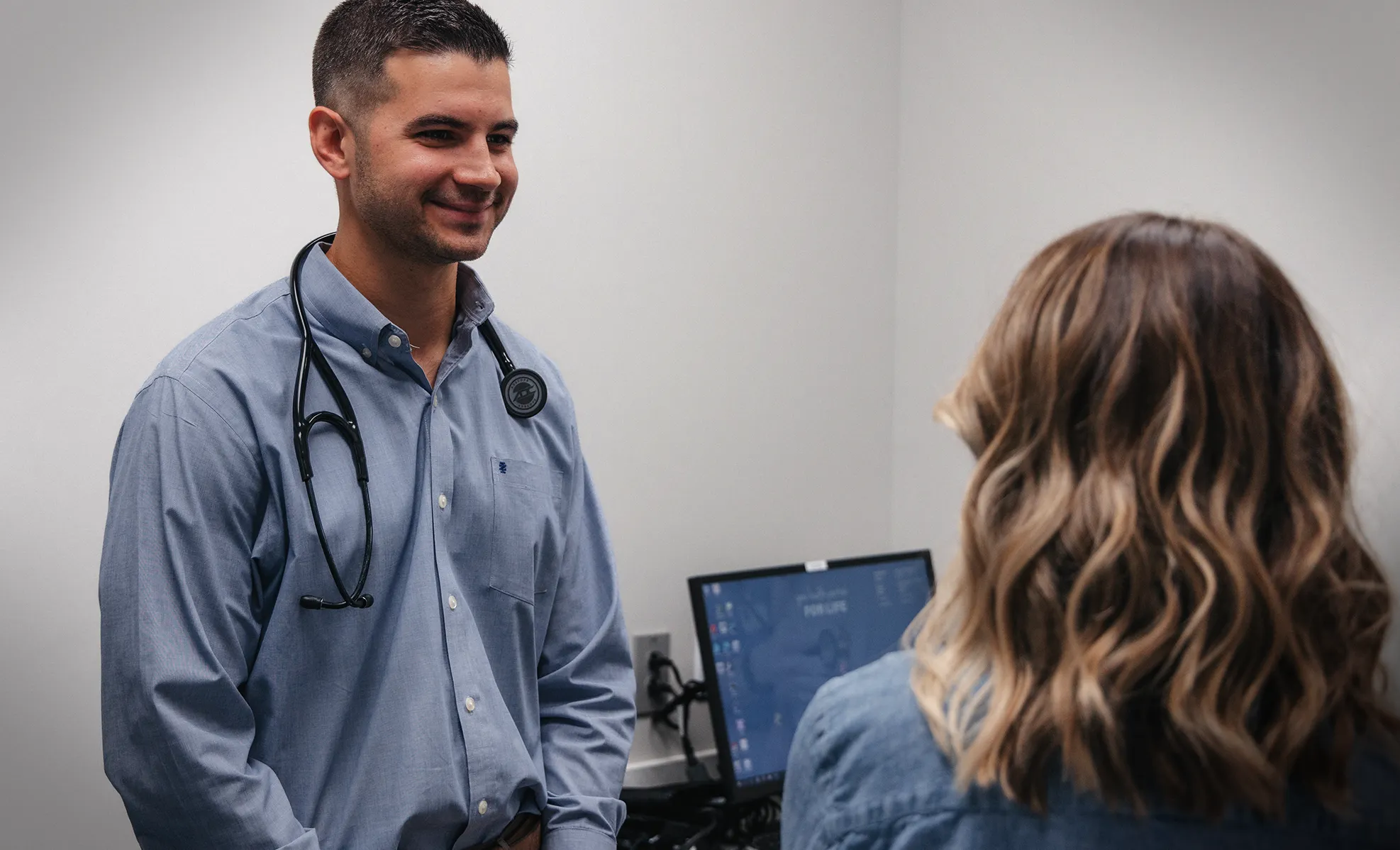
Dr. Zachary Kegley of HMG Primary Care at Meadowview encourages patients to view wellness visits as a partnership, helping providers tailor care based on personal and family health history.
Recommended Screenings and What to Ask Your Provider
Screening tests are used to detect medical conditions early, often before symptoms appear. Early detection can improve treatment options and outcomes.
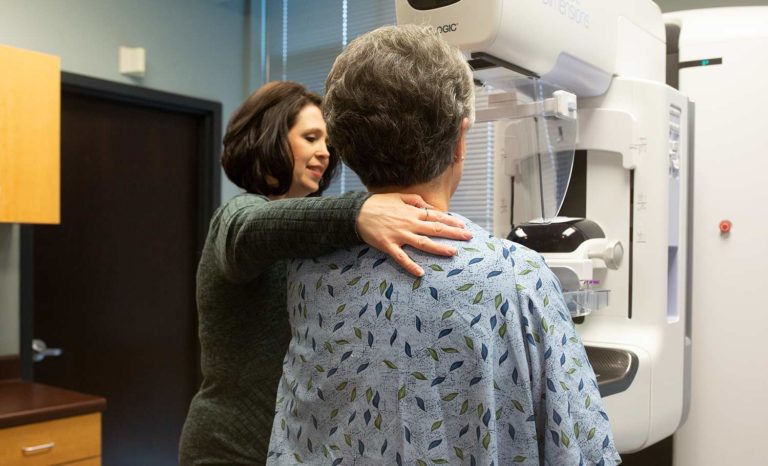
- Breast cancer
- Cervical cancer
- Colorectal cancer
- Lung cancer
- Diabetes
- High blood pressure
- High cholesterol
- Osteoporosis
- Prostate cancer in men
Before a screening, it can be helpful to ask your provider questions such as why the test is recommended, how to prepare, whether there are risks or side effects, and how results will be shared. Understanding the process helps patients feel informed and confident in their care.
Make Preventive Care a Priority This Year
Wellness visits are an important step toward protecting your health and maintaining quality of life. From vaccinations and screenings to personalized guidance and education, these visits support long-term health at every age.