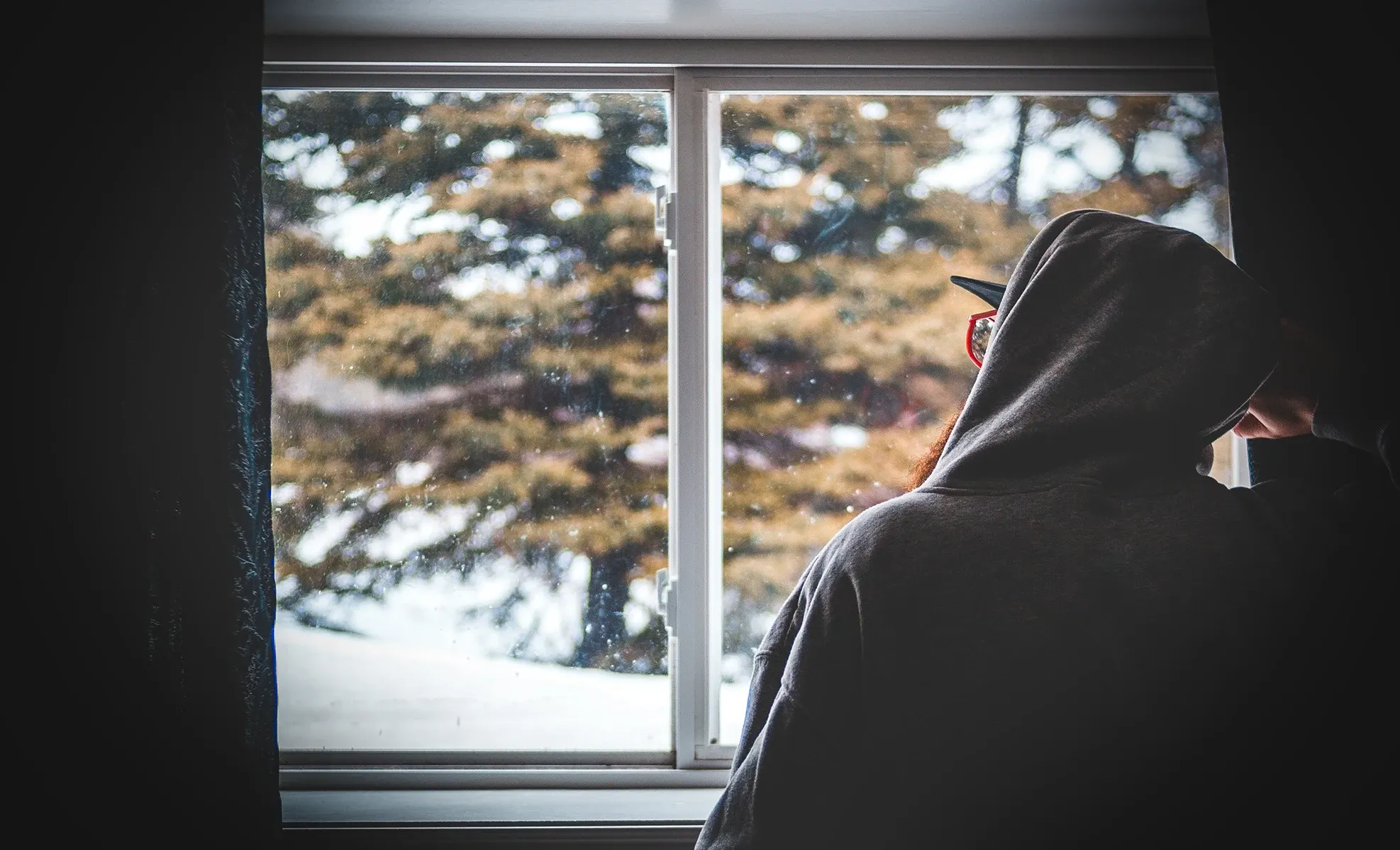

As the days grow shorter and the winter months settle in, many of us notice changes in our mood. It’s common to hear people talk about the “winter blues,” but sometimes what you’re experiencing may be more than that. Seasonal Affective Disorder, or SAD, is a type of depression that typically occurs during the fall and winter months, and it’s more significant than just feeling a little down.
How to Tell the Difference Between Winter Blues and SAD
The winter blues usually cause mild sadness or low energy that doesn’t interfere much with daily life. Seasonal Affective Disorder, on the other hand, can affect your ability to work, take care of yourself, or care for your family. Symptoms often include:
- Persistent sadness, daily for at least 2 weeks.
- Feelings of hopelessness or pessimism
- Low energy
- Irritability
- Difficulty concentrating
- Changes in sleep or appetite
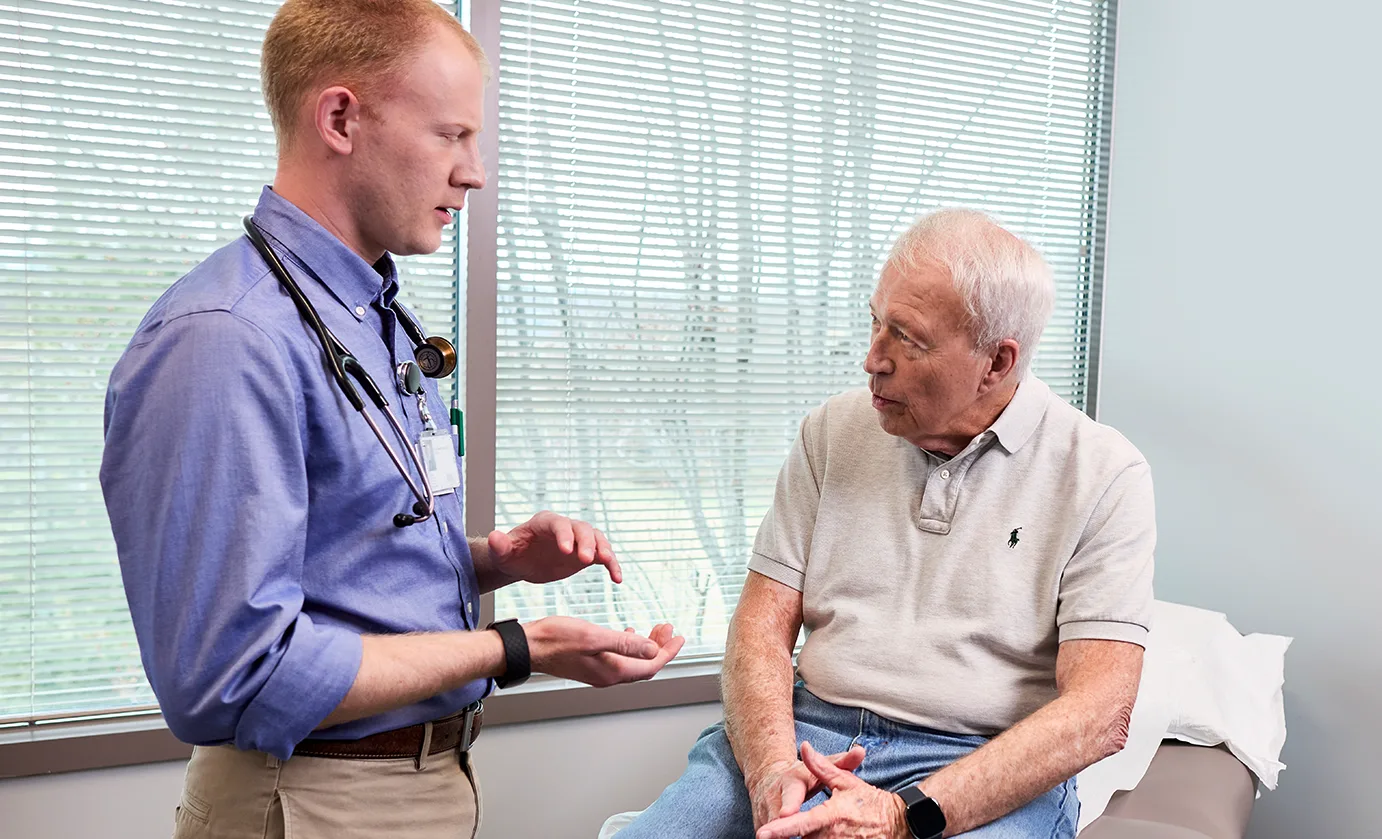
Diagnosing SAD begins with a clinical evaluation. When you come in, I review your history, talk about your symptoms, and make sure there isn’t another medical reason for what you’re feeling, such as a thyroid disorder or side effects from medication.
Treatment Options That Really Work
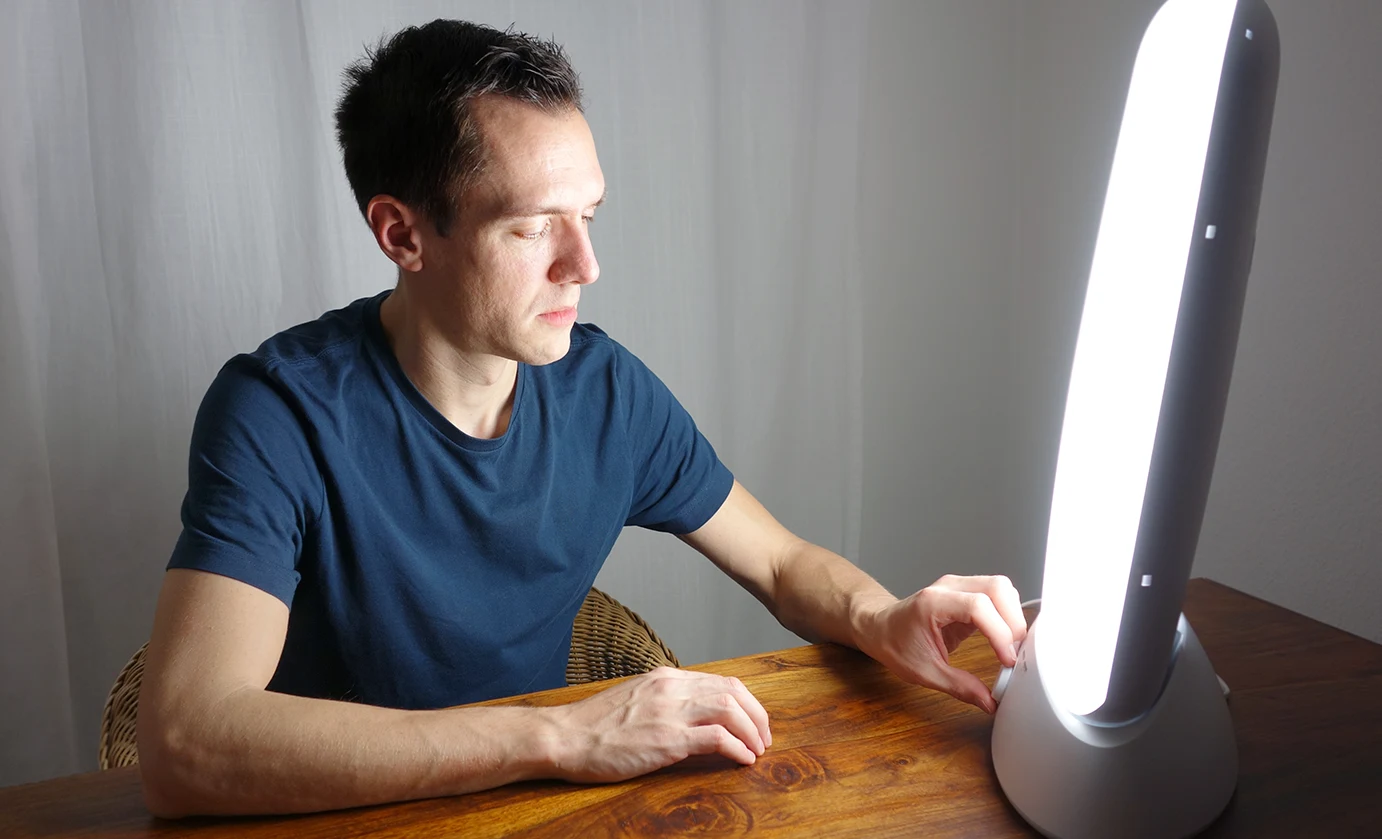
The good news is that SAD is very treatable. One of the first-line treatments we often recommend is light therapy. A light box or special lamp that mimics sunlight can help reset your body’s internal clock, which is often affected by the shorter days.
Other treatment options include medications, like antidepressants, supplements such as vitamin D, and lifestyle habits, including regular exercise, a balanced diet, and good sleep hygiene. All of these can help reduce symptoms and improve your overall mood.
When to Seek Help
If you think you might be experiencing SAD, the first step is to check in with your primary care doctor. We can evaluate your symptoms, order any necessary blood work, and discuss treatment options that fit your needs. If your mood changes are affecting your daily life, it’s important not to try to “muscle through” it. Getting support can make a big difference.
For anyone hesitant to reach out, I want to emphasize: you’re not alone. Many people experience seasonal depression, and it’s a condition that doctors see regularly. There’s no shame in asking for help, and treatment can help you feel more present and engaged, especially during the holidays.
The Facts About SAD
Seasonal Affective Disorder affects millions of people each year. According to the National Institute of Mental Health, about 5% of adults in the United States experience SAD, with women and younger adults at higher risk. Learn more about SAD from the NIMH here.
Mental health conditions like SAD are real medical conditions, and they’re not “just in your head.” Brain chemistry, light exposure, and physical health all play a role, which is why evaluation and treatment are so important.
If you’re struggling with mood changes this season, don’t wait. Reach out, get evaluated, and explore the options that can help you feel like yourself again. Together, we can take steps to improve your health and well-being—helping you stay present for the people and activities that matter most.
If you or someone you know is struggling or having thoughts of suicide, call or text the 988 Suicide and Crisis Lifeline at 988 or chat at 988lifeline.org. In life-threatening situations, call 911.