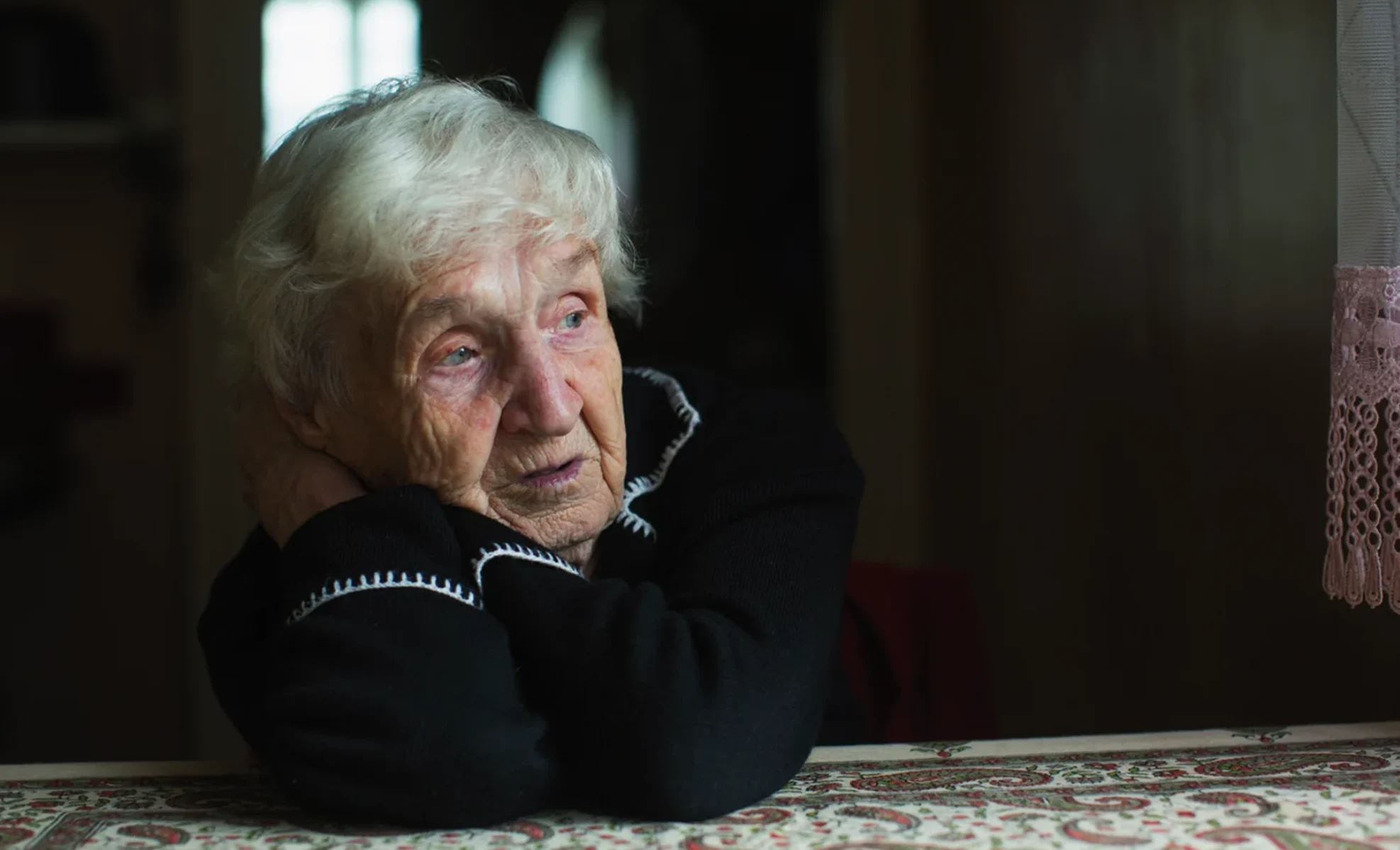

We’re heading into the holiday season, which is often embraced as a time to get together with friends and family to celebrate traditional holidays. However, what can be a joyous time for some may be difficult for older Americans who may be more vulnerable to social isolation and loneliness. When families move away, long-time friends pass on, or chronic health issues limit mobility, the result can be quiet — too quiet.
The CDC reports that nearly 1 in 3 U.S. adults say they feel lonely, and adults over 65 are at even greater risk. Factors like living alone, hearing loss, transportation challenges, and reduced social circles all contribute. And while loneliness sounds like an emotional problem, it’s also a medical one.
Why Loneliness Matters for Health
Research shows that social isolation and loneliness can take a measurable toll on the body and brain. Older adults who are consistently lonely are more likely to develop conditions such as:
- Heart disease
- High blood pressure
- Obesity
- Cognitive decline and dementia
Dr. Zachary Kegley of HMG Primary Care at Meadowview sees the impacts of loneliness in senior patients regularly — and says it’s time we treat emotional connection as part of overall health.

How to Recognize When Someone May Be Struggling
Signs of social isolation aren’t always glaring. Sometimes they’re subtle:
- Withdrawing from hobbies or routines
- Increased forgetfulness or confusion
- Loss of appetite or motivation
- Less communication with friends or family
- Unexplained sadness or irritability
Loneliness doesn’t have to be a quiet part of aging. With awareness, patience, and consistent connection, we can help older adults feel valued, included, and emotionally supported — not just during the holidays, but all year long.