
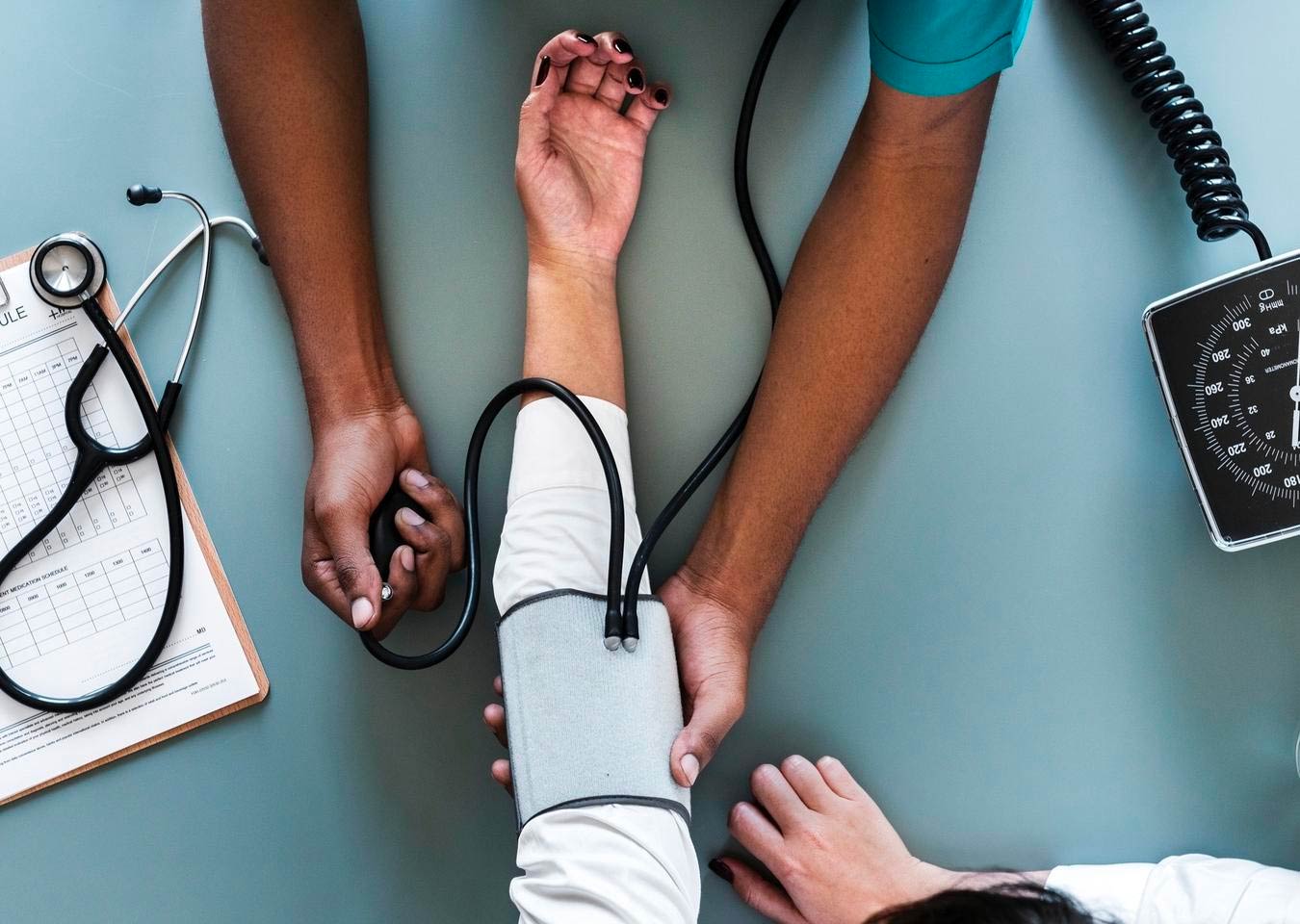

Managing your blood pressure (hypertension) may be more important than you know. High blood pressure can raise your risk for heart disease and stroke. It can lead to vision, memory and sleep problems. High blood pressure also can damage your kidneys, affecting how they filter waste and putting you at risk for chronic kidney disease. When you know your numbers, you can take corrective action.
Hypertension, the “silent killer”
Hypertension is a common health problem for up to 30 percent of the population. It is often called the “silent killer” because most people have no symptoms until there is significant damage to your body. That’s why knowing blood pressure numbers is vital to your health.
| Blood Pressure | Systolic mm Hg (upper number) |
Diastolic mm Hg (lower number) |
|---|---|---|
| Normal | 120 | 80 |
|
Elevated blood pressure (hypertension) Stage 1 |
130 – 139 | 80 – 89 |
|
High blood pressure (hypertension) Stage 2 |
140 or higher | 90 or higher |
|
Hypertensive crisis (consult your doctor immediately) |
Higher than 180 | Higher than 120 |
Causes of high blood pressure
Hereditary, lifestyle and age are primary causes of high blood pressure. Even pre-hypertension should be taken seriously as it can lead to heart and kidney disease. How often you need to take your blood pressure depends on your numbers and risk factors. Talk to your doctor about devices and frequency if you need to monitor your blood pressure at home.
Lowering your blood pressure with MAWDS
Lowering your blood pressure may be as easy as making a few lifestyle changes. Or, you may need medication. Treatment depends on the severity of your hypertension as well as how your body responds to treatment. Talk to your doctor about how you can implement the MAWDS plan to help manage your risks and lower your blood pressure.
- Medications: Take your medications exactly as prescribed by your doctor. Don’t discontinue or change dosage of medications without talking to your doctor.
- Activity: Start moving. Exercising for 30 minutes a day is a good goal. Choose one or more activities, such as walking, water aerobics, chair exercises, etc.
- Weight: Maintaining a healthy weight is vital for your blood pressure. If you are overweight, losing just a few pounds can decrease your blood pressure.
- Diet: Eat a healthy diet rich in fruits, vegetables and whole grains. Limit foods high in saturated fat and cholesterol.
- Smoking and Stress: Tobacco and ongoing stress can increase your blood pressure. Stop smoking, and take steps to manage your stress.